A masonry contractor can transform a front porch from a simple entryway into a welcoming feature that complements the entire home. Plain concrete steps and painted posts get the job done, but they rarely make a house feel finished. Natural stone changes that quickly, adding weight, texture, and a sense of permanence. The upgrade only works if the stone is chosen for the house, set on a sound base, and detailed to handle water, which is exactly where professional masonry expertise makes a difference.
Assessing the Existing Front Porch for Natural Stone Upgrades
Every stone upgrade starts with what’s already there. Stone adds weight, and the existing slab, steps, and foundation have to carry it. Cracks, settling, or soft spots need attention before any stone goes on top.
A masonry contractor checks the porch from several angles. Is the slab level and solid? Do the steps have consistent riser heights? Are the columns structural, or are they decorative wraps around wood posts?
Look at how water behaves on the porch now. Does it pool near the door or run toward the house? Are there stains or damp spots on the foundation below? Those clues shape the plan as much as the design does.
Incorporating Natural Stone Into Porch Steps, Columns, and Entry Features
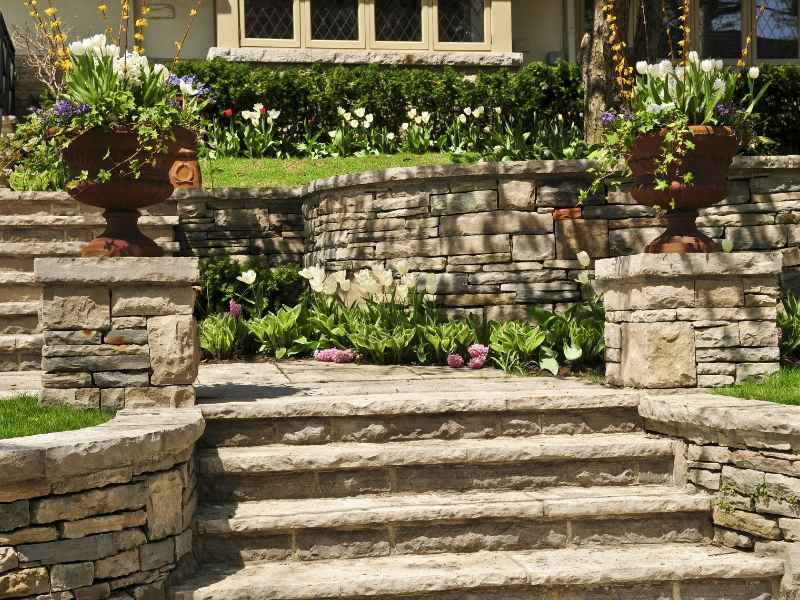
Stone can show up in a lot of places on a porch. Steps and landings are the most common, with flat stone treads that handle foot traffic well. Column bases and full stone columns add weight and frame the entry.
Other features can tie the porch together:
- Stone knee walls along the porch edge
- Stone skirting around the porch foundation
- Built-in planters flanking the steps
- A stone cap or ledge at seating height
- A stone landing where the walkway meets the steps
Not every surface needs stone. Too much can make a modest porch look heavy. Pick a few features that carry the look and let the rest stay simple.
Matching Stone Finishes With the Home’s Exterior Design
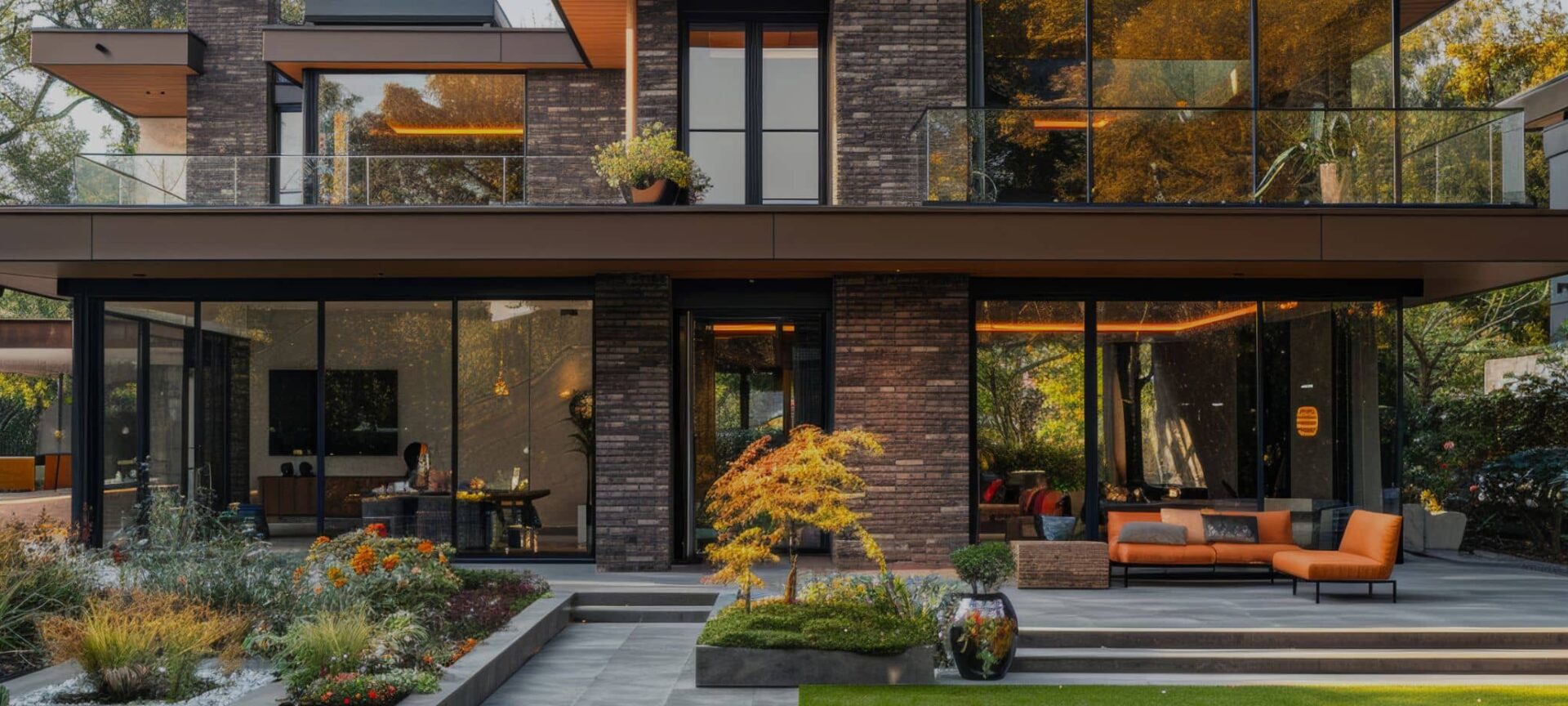
Stone should look like it belongs to the house. A brick home may suit stone that picks up warm tones in the brick. A modern farmhouse may call for cleaner cut stone in grays or creams.
Shape and pattern matter as much as color. Rough fieldstone feels rustic and relaxed. Squared, cut stone laid in neat courses reads more formal. Mixing the two can work if the transition is deliberate.
Mortar color and joint style change how stone looks from the street. Wide, recessed joints show off texture. Tight joints with matching mortar give a smoother face. Ask to see sample panels before choosing.
If the porch connects to existing stone masonry or a stone patio, bring a sample to the stone yard. Matching tone and texture helps the new work blend with what’s already there.
How a Masonry Contractor Handles Stone Installation and Surface Transitions
Installation methods vary with the porch and the stone. Thin stone can be adhered to a prepared concrete or block surface. Thicker stone may be laid in a full mortar bed. The right approach depends on the existing structure, the stone type, and the design.
A masonry contractor pays close attention to transitions. The top step has to meet the door threshold at the right height so the door swings freely and water stays out. Steps must keep consistent riser heights after stone is added, which may mean adjusting the base.
Walkway connections matter too. Where stone steps meet brick pavers, stone pavers, or concrete, the joint should be level, stable, and able to drain. Expansion gaps between different materials help prevent cracking as surfaces move with temperature.
Polished or very smooth stone can get slick when wet. Textured or thermal-finished stone usually offers better grip on steps and landings. Test samples wet before deciding.
Planning Porch Drainage and Long-Term Stonework Performance
Water is the biggest threat to porch stonework. Rain blowing onto the porch, runoff from the roof, and splash from gutters all find their way into joints and base materials. A solid drainage plan protects both the stone and the house.
The porch surface should slope slightly away from the house. Flashing where the porch meets the house wall keeps water out of the framing. Gutters and downspouts should discharge away from steps and foundations.
Maintenance keeps the work looking good. Sweep debris from joints, repoint cracked mortar early, and keep plants from rooting into gaps. Some owners seal stone, but whether it helps depends on the stone type, so ask before applying any product.
Frequently Asked Questions
Can a masonry contractor add stone over my existing concrete porch?
Often, yes, if the slab is sound and level enough. Cracks or settling need to be fixed first. The added height from stone may require adjustments at the door and steps. A contractor can tell you after inspecting the porch.
Is natural stone better than brick for a front porch?
Neither is better for every home. Stone offers natural texture and variety, while brick matches many home exteriors and has a uniform look. The right choice depends on your house style, budget, and maintenance preferences. Some porches combine both.
Will stone porch steps get slippery?
Some stone can feel slick when wet, especially polished or smooth surfaces. Textured finishes usually give better footing. Keeping steps clean of algae and debris helps too. Test samples wet before choosing.