
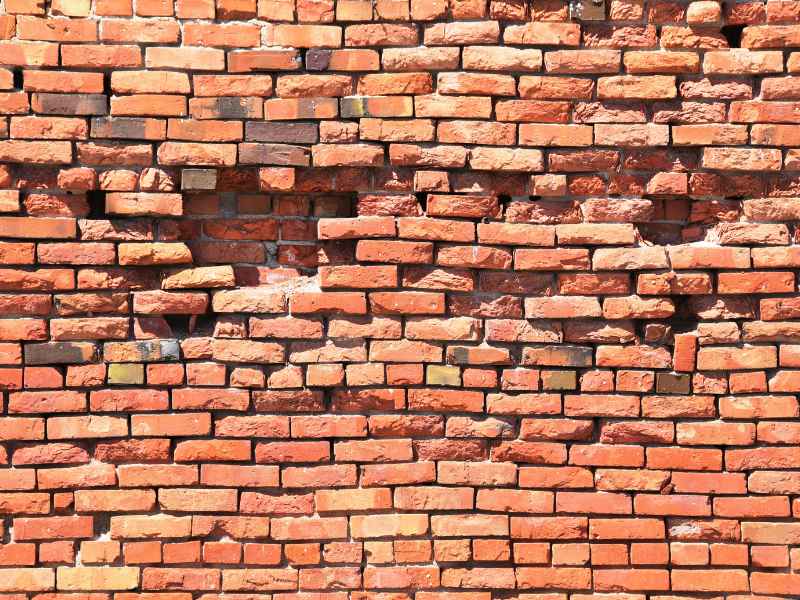
Brick repair near the foundation usually starts with something small, like a handful of sand on the ground under a wall or a brick face that flakes when you brush it. Homeowners often ignore it because the rest of the house looks fine. That’s a mistake, since the bottom few courses of brick take more water and abuse than any other part of the wall.
Lower brickwork sits close to wet soil, mulch, sprinkler spray, and roof runoff. Once water gets in and stays, bricks and mortar break down faster each year. Fix the moisture source first, then repair the brick, or you’ll be paying for the same repair again in a few years.
Recognizing Early Signs You Need Brick Repair
The first signs are easy to miss. Look for mortar joints that feel soft or sandy when you scrape them with a key. Small piles of grit along the base of the wall are another clue.
Brick faces can start to flake, pop off, or crumble. Masons call this spalling, and it’s a sign that water has been getting into the brick and pushing the surface apart. White, chalky stains on the brick often show up first, since they form when water carries salts out through the face.
Cracks deserve a closer look. Hairline cracks in mortar are common, but stair-step cracks, wide gaps, or bulging sections can point to movement in the wall or foundation. Those need a professional assessment, and some cases call for a structural engineer before any masonry work.
What Causes Bricks to Deteriorate Along the Base of a Home
Water is behind most of it. Gutters that overflow, downspouts that dump next to the wall, and sprinklers that soak the brick every morning all keep the base wet. Soil or mulch piled high against the wall makes it worse.
Bad past repairs cause trouble too. Mortar that’s harder than the brick can force water to leave through the brick instead of the joints, and the brick breaks down first. Some sealers and paints trap moisture inside the wall, leading to flaking behind the coating.
Weather adds stress in areas with freezing winters. Water inside the brick expands as it freezes, which slowly breaks the face apart. Even in milder climates, repeated wetting and drying wears down weak mortar and soft brick over time.
How Soil Moisture and Ground Contact Lead to Brick Repair
Brick wicks water like a sponge when it sits against damp soil. Moisture climbs up from the ground and evaporates out through the face, leaving salts and damage behind. The bottom courses take the worst of it.
Grade matters a lot. Soil and paving should slope away from the house so water drains off instead of pooling at the wall. A brick patio, walkway, or planter bed that tilts toward the foundation can send water straight into the lower brickwork.
Weep holes and flashing need to stay clear. Most brick veneer walls have small openings near the base that let trapped water out. Burying them under mulch, soil, or a raised bed blocks that path, so check them during any landscaping work or retaining wall project near the house.
When Brick Repair Requires Replacing Damaged Bricks and Mortar
Some walls only need repointing. That means grinding out failed mortar to a set depth and packing in new mortar that matches the original in strength, color, and texture. Repointing works when the bricks are still sound and the joints are the main problem.
Replace bricks when the damage goes deeper. Spalled, cracked, or crumbling units won’t hold up, even with new mortar around them. A mason cuts out the damaged bricks and sets matching units in their place.
Matching is the hard part. Older homes often have brick sizes and colors that aren’t made anymore. Salvaged brick, careful color blending, or pulling sound bricks from a hidden spot can help the repair blend in with the existing brick masonry.
Assessing Foundation-Adjacent Brickwork Before Brick Repair
A good assessment starts outside the wall. Check gutters, downspouts, grading, sprinklers, and anything built against the house, like patios, stone masonry planters, or brick pavers. Those conditions often explain why the brick failed.
Look closely at the mortar and brick together. A mason will note which joints are soft, which bricks are damaged, and whether past repairs used the wrong mortar. They’ll also check whether cracks suggest movement that needs an engineer’s review.
Before work starts, get clear answers on these points:
- The cause of the moisture and how it’ll be fixed
- Whether the wall needs repointing, brick replacement, or both
- How new mortar and brick will be matched to the old
- Whether weep holes and flashing are clear and working
Repair scope varies with the home’s age, the brick type, soil conditions, drainage, and how far the damage has spread. A clear plan prevents surprises once the work begins. Get that plan in writing so everyone agrees on what’s included.
Frequently Asked Questions
Is crumbling brick repair near the foundation a structural problem?
Not always. Most crumbling at the base comes from moisture damage to the brick and mortar. Wide cracks, bulging, or stair-step patterns may signal movement that needs a structural review. Have a mason or engineer look at the wall if you see those signs.
Can I just seal the brick repair to stop the damage?
Sealing often makes things worse if moisture is already in the wall. Some sealers trap water inside the brick, which leads to more flaking. Fix the water source and repair the damage first. Ask your mason whether a breathable product makes sense afterward.
How long does brick repair near the foundation last?
Good repairs can last many years when the moisture problem is fixed. Repairs fail quickly if water keeps soaking the base of the wall. Using compatible mortar also makes a big difference. Regular checks on gutters, grading, and sprinklers help the repair last.