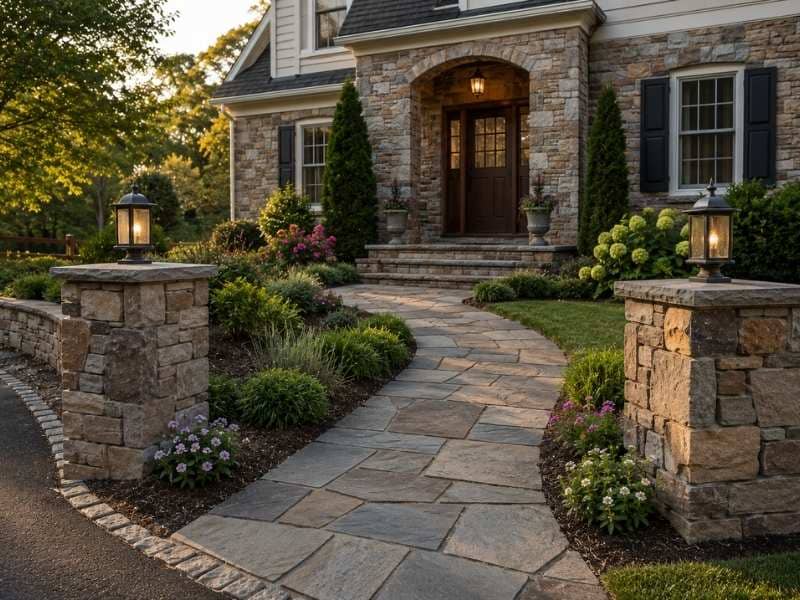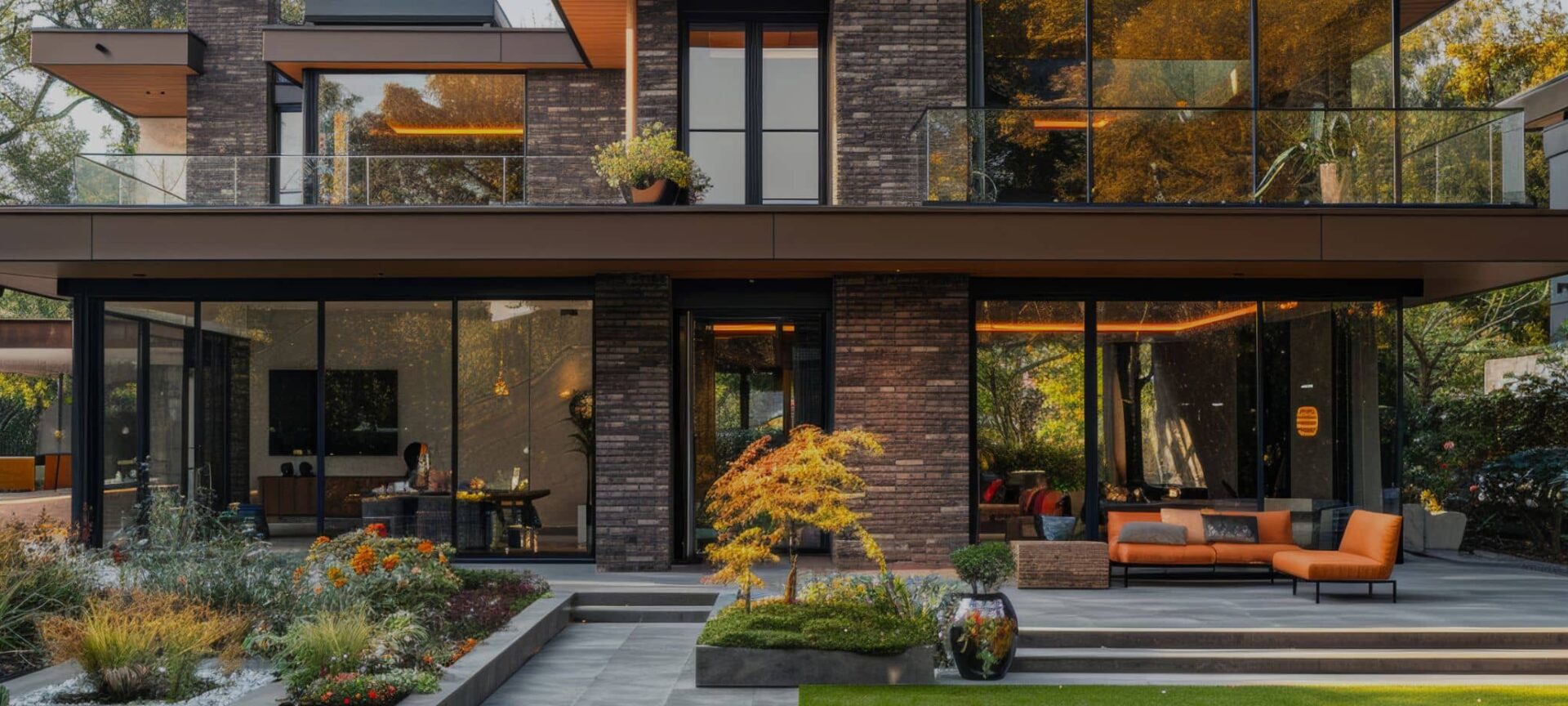
Stone Pavers for Pedestrian-Friendly Courtyards
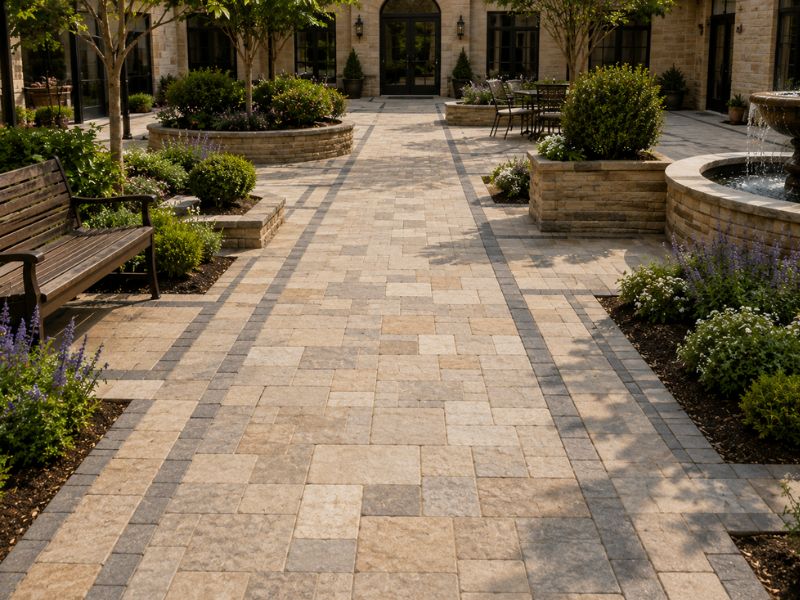
Stone pavers forming a wide pedestrian-friendly courtyard with smooth walkways, seating, landscaped planters, and a fountain.

Stone pavers do more than look nice in a courtyard. They shape how people actually move through space. A good layout guides feet naturally from one spot to the next. A poor layout creates awkward turns and tight squeezes. It also creates spots where people bump into each other. Get the paver design right, and a courtyard feels easy to walk through, even during busy hours. Get it wrong, and small problems pile up fast. Uneven joints are one example. Pavers that shift underfoot are another. Here’s what matters most when stone pavers need to carry steady foot traffic every day, in every kind of weather.

Building Clear Paths Between Every Entrance

A courtyard often connects several places at once. There’s the building door, the parking area, and maybe a garden. There are also shared spaces where people gather. Stone pavers can link all of these points with direct, simple paths.

The goal is a route that doesn’t force people to backtrack. It shouldn’t send them on a strange detour either. Sharp turns and dead ends cause slowdowns. They also create spots where people walking from different directions run into each other. A well-planned paver layout avoids this. It keeps paths straight where it can. It curves only when there’s a real reason to.

Think about a courtyard with three entrances feeding into one central space. If the paver layout treats each entrance as its own island, people end up crossing paths at odd angles near the middle. Laying out the route as one connected system instead solves that problem before it starts. Everyone gets a clear, direct line to where they’re going.

Setting Joint Widths for Steady Footing

Joints are the small gaps between each paver. They seem minor, but they matter a lot for safety. Wide, sunken, or uneven joints can catch a narrow heel. They can also snag a cane tip. A stroller wheel or a wheelchair caster can get stuck too.

Keeping joints consistent and closely spaced makes the whole surface feel smoother underfoot. This isn’t just about comfort. A joint that’s too wide in one busy spot can turn into a real tripping risk over time. This is especially true where people move quickly or carry something in their hands.

Making Smooth Transitions at Doors and Walkways

A stone-paved courtyard rarely exists on its own. It connects to door thresholds, sidewalks, and ramps. It also meets other paved areas nearby. These connection points need just as much attention as the courtyard itself.

A sudden height change at a doorway can trip someone up before they even notice the courtyard beyond it. The same goes for a raised edge where the pavers meet a sidewalk. An awkward little step tucked into a walkway causes the same problem. Smooth transitions keep the whole path feeling like one continuous surface. Nobody wants it to feel like a series of separate pieces stitched together.

Keeping Pavers From Shifting Under Daily Use

Pavers near a busy entrance or gathering spot take a beating. Constant foot traffic pushes and pulls at the joints over time. Without the right support underneath, pavers can start to spread apart. They can also shift out of place.

A stable setting bed and solid edge restraints hold everything together. Edge restraints work like a frame around the paved area. They keep the outer pavers from creeping outward as people walk across them day after day. This matters most at entrances and crossing points. Anywhere a lot of people gather at once will see the heaviest wear.

A weak edge restraint might not cause trouble right away. The real damage tends to show up months later, once joints have widened enough to loosen the pavers next to them. Checking the perimeter construction before installation is far easier than pulling up a section of finished courtyard to fix a problem that started underground.

Placing Seating and Features Off the Main Path

Benches, planters, fountains, and bike racks add character to a courtyard. But if they sit too close to the main walking route, they can turn a wide, easy path into a tight squeeze.

Keeping these features clear of primary walking zones matters more during busy times. That’s when several people might be moving through the courtyard at once. It also matters for anyone using a wheelchair, walker, or stroller. A narrow gap that works fine for one person on foot might not work at all for someone who needs more room to pass. Planning enough clearance around these features keeps the courtyard comfortable, no matter how many people are using it.

Frequently Asked Questions

Are stone pavers suitable for heavily used courtyards? 

Yes. Properly installed stone pavers can handle frequent foot traffic well. The base, joints, edges, and transitions all need to stay stable and even over time.

How wide should a pedestrian route through a courtyard be? 

The right width depends on the property and any accessibility rules that apply. The route needs enough clear space for people, wheelchairs, strollers, and mobility aids to pass through safely.

Can uneven courtyard pavers be repaired individually? 

Often, yes. A few pavers can usually be lifted and reset if the settlement is limited to a small area. Widespread shifting across a larger section may point to a deeper issue with the base or the edge restraints.

Why do courtyard pavers begin separating? 

Separation usually comes from weak edge restraints or movement in the base. Lost joint material and steady pressure along a busy route can cause it too. Fixing the actual cause helps stop the problem from coming back.

Should stone pavers be level with adjoining sidewalks? 

The two surfaces should meet through a smooth, well-planned transition. A sudden lip or a change in height can create a tripping hazard. It also makes the courtyard harder to move through.
Stone Mailbox Design for Sloped Front Yards

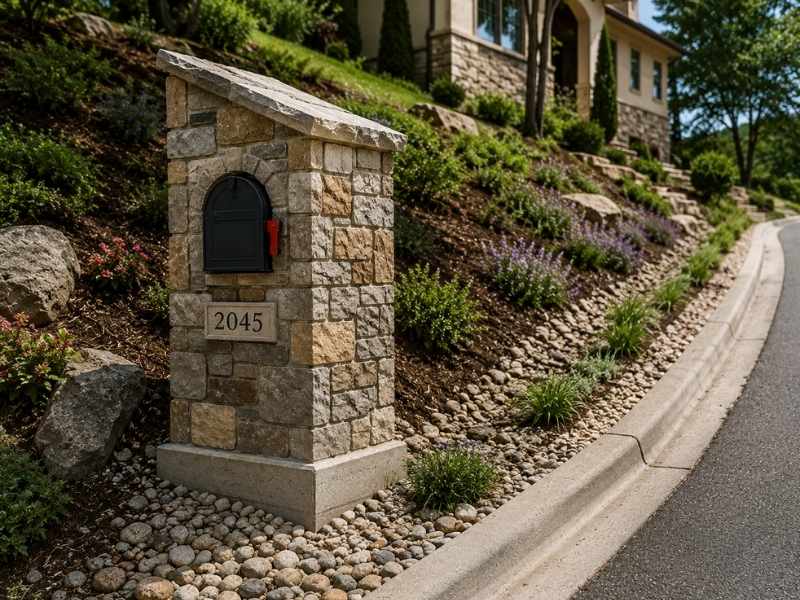
Stone mailbox design for sloped front yards with a level masonry base and gravel drainage beside the road

Stone mailbox design for a sloped front yard requires careful planning to create a stable, long-lasting installation. Changes in elevation affect foundation design, drainage, and the finished appearance, making proper site preparation an important part of the project. A properly designed base helps support the weight of the masonry, while grading and drainage features help manage water around the installation. Planning these elements before construction begins can improve long-term performance and reduce the likelihood of settlement, cracking, or other maintenance issues. 

Why a Slope Changes the Plan

A flat yard lets a mailbox sit on simple, even ground. A slope removes that easy footing. Gravity and water both work against a heavy structure on a hill, pulling and pushing it downhill over time. A stone mailbox weighs a lot, so these forces have real effect. The design has to account for them from the start, not treat them as an afterthought.

Water is the bigger enemy on a slope. Rain runs downhill and can wash out the soil around and under a mailbox base. Once that soil moves, the structure loses support and starts to shift. A mailbox that was straight in spring can lean by fall if water is left to run under it. Planning for both the slope and the water is what keeps a stone mailbox standing straight for years instead of months.

Building a Base That Holds on a Slope

The foundation is where a sloped mailbox succeeds or fails. On a hill, the base has to be deeper and stronger than one on flat ground. A concrete footing set below the frost line gives the mailbox a stable anchor that resists both settling and frost heave. This footing is the single most important part of the whole build, since everything above it depends on a base that won’t move.

The footing also has to be level even though the ground isn’t. Builders create a level base by digging into the slope and forming a flat footing, sometimes with a small retaining edge on the uphill side. This gives the stone a true, level surface to rest on. A level base is what keeps the finished mailbox from leaning downhill. Cutting into the slope also removes loose surface soil and sets the footing on firmer ground below, which adds to its strength.

Managing Water Around the Mailbox

Water control is a must on a sloped site. Without it, runoff will slowly undermine even a strong base. The design should guide water around the mailbox instead of letting it pool against or under the structure. Simple grading that directs flow to the sides does a lot of the work and costs very little to include.

Drainage under the base helps too. A bed of compacted gravel beneath the footing lets water pass through instead of collecting and freezing. On the uphill side, a small swale or channel can catch runoff and route it around the mailbox. These steps keep the soil around the mailbox firm, which keeps the mailbox where you put it. Water that’s managed well flows past the structure and does no harm. Water that’s ignored finds its way under the base and causes the very leaning you’re trying to prevent.

Placing the Mailbox for Access and Safety

A sloped yard makes placement a real design question. The mailbox still has to meet the postal service’s height and reach rules, measured from the road surface. On a slope, hitting those numbers takes some planning, since the ground by the curb may sit above or below the road. The design has to work with the road level, not the yard level, or the box ends up too high or too low to use.

Safety and access matter as well. The carrier and the homeowner both need to reach the box without scrambling on a steep bank. A small leveled area or a step at the base can make access safe and easy. Placing the mailbox where a car can pull up and where sight lines stay clear keeps it both usable and safe. A mailbox that forces a carrier onto a slippery slope is a problem waiting to happen, so good placement is part of a good design.

Choosing Stone and Finishes That Last

The stone choice affects how well the mailbox handles a slope’s wear. Dense, hard stone stands up to weather and the constant push of water on a hill. The mortar matters too, since good joints keep water out of the structure. Weak mortar on a slope invites the very water damage you’re trying to avoid, so it’s worth using a quality mix and solid workmanship.

Finishes should match the exposure. A sealer can help the stone and mortar shed water, which is worth more on a slope than on flat ground. Matching the stone to the home’s exterior ties the look together, but on a hill, durability comes first. A mailbox that looks great and fails in two winters helps no one. A well-built stone mailbox becomes a lasting feature instead of a repair waiting to happen, and on a slope that comes down to smart choices in stone, mortar and finish.

Frequently Asked Questions

How deep should the foundation be for a stone mailbox on a slope?

Deep enough to reach below the frost line and sit on stable ground. A concrete footing at that depth resists settling and frost heave. On a slope, this footing is the key to keeping the mailbox from leaning or shifting over time.

How do I keep a stone mailbox from leaning on a hill?

Start with a deep, level footing and control the water around it. Most leaning comes from a weak base or soil washed out by runoff. A strong foundation and good drainage together keep the mailbox straight for the long haul.

Does a stone mailbox on a slope need drainage?

Yes. Water running downhill can wash out the soil that supports the base. A gravel bed under the footing and grading that routes water around the mailbox keep the ground firm and the structure stable through wet seasons.

How do I meet mailbox height rules on a sloped yard?

Measure from the road surface, not the yard. Postal rules set the height and reach from the road, so the design has to match the road level even when the yard sits higher or lower. Planning this early avoids a rebuild later.

What stone works best for a mailbox on a slope?

Dense, hard stone paired with strong mortar holds up best. It resists weather and water, which hit harder on a slope. A water-shedding sealer adds another layer of protection for a mailbox exposed to constant runoff.

How Stone Masonry Improves Durability Without Sacrificing Curb Appeal

Stone masonry improving durability and curb appeal on a residential exterior with natural stone walls and a professionally finished entryway.

Stone masonry gives a home both strength and natural beauty at the same time. Its tough surface stands up to weather, while its look adds warmth that many owners love. That mix makes it a strong choice for facades, walls, entryways, stone hearths, fireplaces, and outdoor living spaces.

Few building choices manage to be this practical and this attractive. Stone holds its shape and its charm across many seasons of use. The right design lets a home enjoy lasting protection without giving up its good looks.

Stone Masonry Stands Up to Weather and Daily Wear

Well-built stone masonry handles the rough side of the outdoors with ease. Rain, heat, wind and the odd hard knock all wear on an exterior over time. Quality stone and sound mortar joints help these features keep their strength through it all.

This toughness is a big part of the appeal. A wall or facade built the right way resists the slow damage that weather brings. That staying power means fewer repairs and a look that holds up year after year.

Material Choices That Balance Strength and Appearance

The type of stone shapes both the look and the lifespan of a project. Natural and manufactured stone differ in color, texture, shape, density and how well they shrug off weather. Each option brings its own blend of beauty and toughness.

The best choice fits both the design and the setting. A stone that suits a dry, mild spot may struggle in heavy rain or strong sun. Picking the material with the local weather in mind helps the finished work last as long as it looks good.

Proper Installation Makes Stone Masonry Last Longer

Even the best stone falls short without skilled installation. A stable base, correct mortar work, good drainage and secure placement all play a part. Well-finished joints round out a job that can stand the test of time.

Careful work at this stage prevents trouble down the road. Poor drainage or loose placement can lead to movement, moisture and loose stones. A skilled crew heads off these issues, so the masonry stays strong for decades.

Maintaining Stone Masonry Without Losing Its Natural Character

A little upkeep keeps stone looking its best without changing its charm. Simple habits protect both the surface and the joints over the years.

Helpful maintenance steps include:

  • Checking the stone and mortar during routine inspections
  • Cleaning gently rather than with harsh scrubbing
  • Keeping vines and heavy plants off the surface
  • Repairing open mortar joints before they widen

A few cautions matter as much as the steps above. Strong chemicals, aggressive pressure washing and the wrong repair materials can all harm the stone. Gentle care preserves the natural character that makes stonework special.

Long-Term Value of Stone Masonry for Residential Exteriors

Durable stone features pay off over many years of ownership. They cut down on the frequent repairs that lesser materials often need. At the same time, they add character and curb appeal that buyers notice.

This blend of function and beauty gives stone its lasting worth. A well-designed, well-kept feature can stay both attractive and useful for generations. That kind of return is rare among exterior choices.

Frequently Asked Questions

How Long Does Stone Masonry Typically Last?

Well-built stone masonry can last for decades and often serves for generations. Its lifespan rests on the stone type, the quality of the install and the drainage. Local climate and steady upkeep also play a part.

Does Stone Masonry Require a Lot of Maintenance?

Not much, though it should still get a regular check. Look for open mortar joints, loose stones, staining and signs of moisture. Handling small issues early keeps them from growing into major repairs.

Can Damaged Stone Masonry Be Repaired?

Yes. Many problems respond to repointing joints, resetting loose stones or swapping out damaged pieces. Fixing the source of any moisture is part of a lasting repair. The right method depends on the cause and the extent of the damage.

Is Stone Masonry a Good Choice for Hot, Humid Climates?

Yes. Stone masonry performs well in hot, humid areas when it uses proper drainage and materials suited to the weather. Heat, humidity, heavy rain and shifting conditions all test a wall over time. Skilled installation is key to strong long-term results.

How a Stone Mason Creates Lasting Curb Appeal

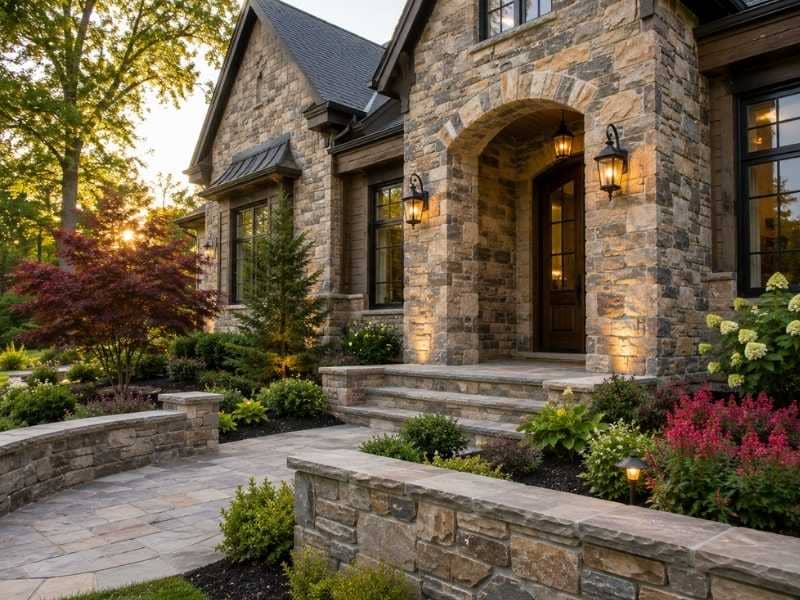
A well-kept front yard tells a story before anyone reaches the door. One of the most reliable ways to improve that first impression is to hire a stone mason. A stone mason shapes and places natural or cut stone to build features that look sharp and hold up through years of weather. Whether the goal is a new walkway, a low garden wall, or a cleaner entry, stone delivers results that other materials rarely match. The National Association of Realtors reports that quality exterior masonry can return up to 80% of its cost at resale.

Start with the Right Stone

The best stone for any project depends on three things: the home’s architectural style, the local climate, and the available budget. A stone mason evaluates all three before recommending any material.

A modern home often suits smooth slate or clean-cut pavers. A cottage or traditional home usually calls for rough fieldstone or stacked limestone. Color matters just as much as shape. Stone should complement the siding, roof, and driveway rather than compete with them.

Some stones cut and shape more easily, which affects labor costs. Others are heavier and need a stronger base. Getting this decision right from the start prevents expensive corrections later. Natural stone installations last an average of 50 to 100 years when properly placed and maintained, far longer than timber or composite alternatives.

Add Features That Catch the Eye

Stone features don’t have to be large to make a real difference. A flat-stone walkway from the sidewalk to the front door changes how a home reads from the street immediately. A few low steps leading to the entry make the whole approach feel more deliberate.

Low stone walls along garden beds separate plants from lawn without looking harsh. A stone border around the base of the house, called a foundation surround, ties the whole exterior together. Even a single stone pillar at the end of a driveway adds structure and presence that’s hard to ignore.

These are not major construction projects, but they all need precise, experienced hands. A stone mason knows how to set each piece so it stays stable through rain, freeze-thaw cycles, and regular foot traffic.

Make Every Detail Look Neat

The difference between a decent stone job and a great one usually comes down to the small stuff. Straight lines, consistent joint spacing, and tight mortar work make everything look finished and intentional.

Uneven stones or wide, sloppy joints make a project look rushed regardless of how good the stone is. A skilled mason levels each piece carefully, checks spacing as they go, and fills gaps with mortar or compacted gravel correctly. They also cut stone cleanly at corners and edges so nothing looks jagged or improvised.

Good stone work doesn’t look added on. It looks like it was always there.

Match Stone with the Rest of the Yard

Stone works best as part of a complete outdoor design. Plants, driveways, fences, and lighting all shape how the space feels as a whole.

A gravel driveway with stone edging along the sides feels more finished and intentional. Plants near a stone wall soften the hard edges and bring in seasonal color. A wooden fence next to a stone pillar looks planned rather than accidental.

A mason who understands outdoor design helps connect each element to the next. The goal is one unified outdoor look, not a collection of separate projects placed near each other.

Protect the Look for Years

Stone is tough, but it benefits from routine attention. Dirt, moss, and algae build up over time and make even quality stone look dull. A rinse with a garden hose every few months handles most of it. For heavier buildup, mild soap and a stiff brush clean most stone surfaces without damage.

Check for loose stones once or twice a year, especially after winter. Freeze-thaw cycles shift stones and crack mortar over time. A loose piece caught early is a quick, inexpensive fix. Left alone, it turns into a larger and costlier repair. Crumbling mortar joints should be refilled before water gets underneath and causes structural damage below the surface.

Frequently Asked Questions

How do I choose the best stone for my project?

Consider the home’s style, the local climate, and the available budget. A stone mason can walk through the options and recommend materials that match the look you want while holding up to outdoor conditions year-round.

Can a stone feature be added to an older home?

Yes. Stone suits homes of all ages. It often works especially well with older homes because natural stone has a timeless, classic quality that complements traditional architecture.

What makes stone a good choice for outdoor projects?

Stone is dense, weather-resistant, and durable. It handles heat, cold, heavy foot traffic, and moisture better than wood, plastic, or composite materials. With basic care, it lasts 50 years or more.

How can I keep stone looking clean?

Rinse it with water every few months. For stains or moss, scrub with a soft brush and mild soap. Skip harsh chemical cleaners since they can strip the surface color or break down mortar over time.

When should damaged stone be repaired?

As soon as a problem appears. Loose stones and cracked mortar allow water in, which leads to structural damage underneath. A small repair done promptly costs far less than replacing a whole section later.

Does stone increase home resale value?

Yes. The National Association of Realtors consistently lists exterior stone features among the improvements with the strongest return on investment, particularly at the front of a home where buyer first impressions are formed.