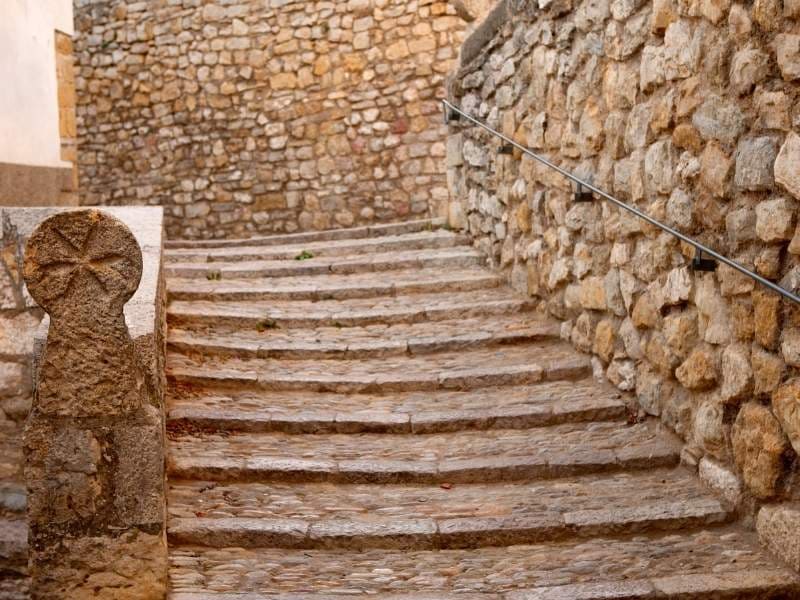
The steps themselves are rarely the problem. Trouble shows up where they meet everything else: the patio edge that sinks, the wall cap that never matched, the landing where water sits after every storm. Stone masonry around a new outdoor stair connection treats those meeting points as part of the project rather than an afterthought. Plan the connections, materials, and drainage before the first step is set, and the whole area will look and work like it was built at once.
This guide is for homeowners adding or replacing outdoor stairs between patios, yards, walkways, and other living areas, with landscape designers and builders in mind. It covers planning, stone choices, transitions, water, and how nearby work like fireplace repair fits in. Every yard is different, so expect details to depend on your slope, soil, existing masonry, and design.
Planning Stonework Where New Stairs Meet Existing Masonry
Planning starts with every surface the new stairs will touch. That might include a stone patio at the top, a brick walkway at the bottom, a retaining wall along the side, or a planter beside the landing. Each connection needs its own detail.
Check the condition of existing masonry before tying new work into it. A cracked patio edge or a loose wall cap can’t support a clean connection. Repairs made now cost far less than tearing out new steps later.
Measure the total rise, which is the vertical distance from the bottom landing to the top surface. That number decides how many steps you need and how tall each one will be. Consistent step heights matter for safety, and local code may set limits, so confirm requirements with your contractor or building department.
Choosing Stone for Stair Edges and Connecting Surfaces
The best stone for stair edges is durable, slip-resistant, and compatible with the masonry around it. Treads and landings take the most wear, so they need stone that holds up to foot traffic and weather. The connecting surfaces should look like they belong together.
Treads are the flat parts you step on, and the front edge of each tread is called the nosing. Natural stone like flagstone, bluestone, or limestone can work well, as can manufactured stone treads, depending on the look and budget. A textured surface helps with traction when the stone is wet.
Creating Stable Transitions Between Steps and Outdoor Areas
Stable transitions depend on what’s underneath. The top step, the bottom landing, and the edges where stairs meet patios or walkways all need a solid base so they settle together. When one side settles faster than the other, you get trip edges and cracked joints.
Base preparation varies with soil, slope, and the type of stairs. Mortar-set steps on a concrete base behave differently from dry-laid steps on compacted gravel. Your mason should explain which method fits your site and why.
A few transition points deserve close attention. These are where problems tend to start. Watch for:
- The top step meeting the upper patio or deck
- The bottom landing meeting lawn, walkway, or pavers
- Side edges where stairs run along a retaining wall
- Joints between new stonework and older masonry
Landings deserve enough space. A landing that’s too small forces awkward steps, while a generous one gives people room to pause and turn. Size it based on how the area will actually be used.
Managing Water Flow Around New Stair Connections
Managing water around outdoor stairs comes down to slope, outlets, and joints that keep water moving away from the steps. Stairs on a hillside often sit right in the path of runoff. Without a plan, water undermines the base and stains or loosens the stone.
Treads should be pitched slightly so water runs off instead of pooling. Landings need the same attention, especially where they meet a patio or wall. Ask your mason how water will leave each flat surface.
Retaining walls beside stairs need drainage behind them too. Gravel backfill and drain pipe are common approaches, though the right design depends on wall height, soil, and the site. Evaluate drainage early, because it’s hard to add once the stone is set.
Where winters bring freeze and thaw cycles, trapped water can expand and push joints apart. Good drainage limits that damage. Well-filled joints help as well.
Coordinating Nearby Masonry With Fireplace Repair Needs
Stair projects often sit near other masonry features, including outdoor fireplaces, outdoor kitchens, and seating walls. If a nearby outdoor fireplace needs repair, plan that work alongside the stairs. Coordinating saves time, keeps materials consistent, and protects new work.
Fireplace repair often involves repointing, replacing cracked stone or brick, or fixing a cap. Crews, equipment, and debris can damage fresh stair work if the jobs aren’t sequenced well. In many cases, finishing the fireplace repair first protects the new steps.
Matching materials across both projects pays off. Using the same stone source, mortar color, and joint style ties the fireplace, stairs, and patio together. Ask your mason to review both areas during one site visit.
Frequently Asked Questions
What stone works best for outdoor stairs?
The best stone depends on appearance, traffic, budget, and the masonry around it. Flagstone, bluestone, limestone, and manufactured stone treads are common choices. Look for durability and a textured surface for traction. Match the stairs to nearby patios and walls.
How do I keep new stone steps from shifting?
A solid base and good drainage are the main protections. The right base depends on soil, slope, and whether the steps are mortar-set or dry-laid. Water undermining the base is a common cause of movement. Ask your mason how they’ll prepare the ground.
Can new stone stairs connect to an existing brick patio?
Yes, with careful planning. Stone treads can pair well with brick risers or borders to tie the materials together. The existing patio edge needs to be sound first. Matching colors and joint widths helps the connection look intentional.
How do I prevent water from pooling on stone steps?
Treads and landings should have a slight pitch so water runs off. Joints need to stay filled so water doesn’t get underneath. Nearby walls and patios should drain away from the stairs. Plan drainage before construction begins.
How much maintenance do stone stairs need?
Stone stairs need periodic cleaning and joint checks. Repoint loose mortar and reset shifted stones before problems spread. Keep drains and outlets clear. A yearly walk around the stairs catches most issues early.