
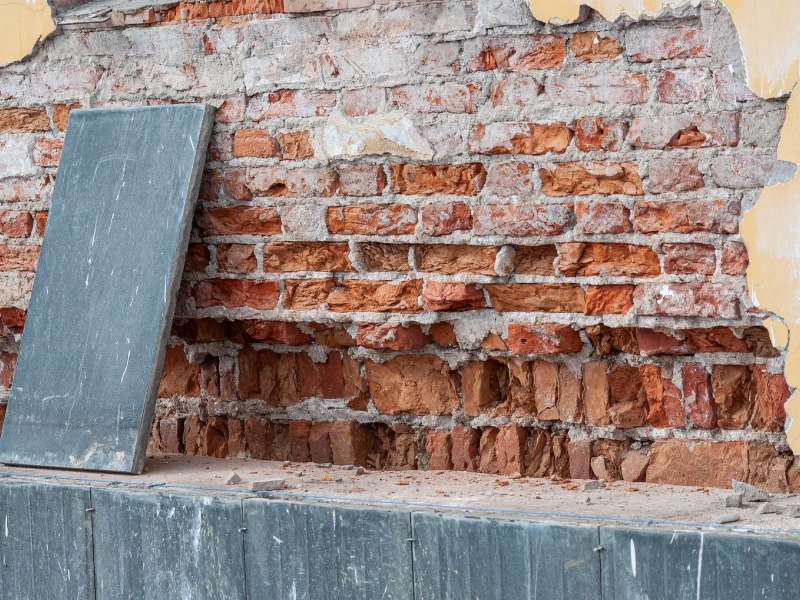
The brick underneath needed repair first, and a masonry contractor would have caught it before the first coat went on. Fresh paint can make a tired brick exterior look new for a season. Then the peeling starts. Bubbles form near the base of the wall, flakes drop off around cracked joints, and white powder pushes through the new finish. In most cases, the paint wasn’t the problem.
This guide is for homeowners planning to repaint brick, whether it’s the whole house, a chimney, a garden wall, or an outdoor fireplace. Painters and property managers will find it useful too. Paint is a surface coating. It can’t fix loose mortar, cracked units, or moisture moving through the wall. Repairing the brickwork first protects both the masonry and the money you spend on paint.
Why Cracked Bricks and Deteriorated Mortar Need Attention Before Painting
Cracks and failing mortar joints let water into the wall. Mortar is the material between the bricks, and over time it can soften, crumble, or pull away from the brick edges. Paint may bridge over a small gap for a while, but movement and moisture will break that seal. Once water gets behind the paint, it starts lifting the coating from the inside.
Damaged bricks cause similar trouble. Spalling happens when the face of a brick flakes or pops off, often because moisture froze or salts built up inside. Painting over spalled brick traps the damage underneath. The next layer of brick face can then break loose and take the paint with it.
Cracks can also point to larger issues. Step-shaped cracks, bulging sections, or gaps around windows may signal settlement or movement. Painting over them hides evidence a mason would want to see. Have those areas evaluated before any coating goes on.
How Trapped Moisture Can Affect Newly Painted Brick Surfaces
Brick is porous, which means it absorbs and releases moisture over time. Unpainted brick lets that moisture escape through its face. Paint can slow that process, especially if it isn’t designed for masonry. When water gets in through cracks or bad joints and can’t get back out, it pushes against the paint film.
That pressure shows up as bubbling, blistering, and peeling. You may also see efflorescence, a white, chalky deposit left when water carries salts to the surface. In colder months, trapped water can freeze and expand, which may damage both paint and brick. Over time, wet masonry can lead to mortar erosion and staining inside the wall system.
The fix starts with stopping water at its source. Gutters, downspouts, grading, sprinklers, and failed caps or flashing often feed moisture into brick walls. A masonry contractor can trace where water is getting in and recommend repairs before you paint.
What a Masonry Contractor Checks Before Exterior Repainting
A pre-paint inspection looks at the wall as a system. The contractor checks the condition of the brick, the mortar, and the details that keep water out. They also note any past repairs that may not match the original materials. The goal is to fix problems first so the paint has a sound surface to bond with.
Common items a contractor reviews include:
- Cracked, spalled, or loose bricks that need replacement
- Mortar joints that are soft, recessed, or missing
- Efflorescence or staining that signals ongoing moisture
- Weep holes, flashing, and sills that control water
- Chimney crowns, wall caps, and other top surfaces
- Ground slope and gutter discharge near the base of walls
The contractor may also check the existing paint. Peeling in certain areas often points to moisture or repair problems in that exact spot. Knowing the cause helps prevent the same failure on the new coat.
Preparing Repaired Brickwork for Proper Paint Adhesion
Repair work usually starts with repointing, also called tuckpointing. That means removing damaged mortar to a proper depth and filling the joints with new mortar. The mortar should be compatible with the existing brick. On older homes, a softer mortar is often used so the joints, not the bricks, absorb movement over time.
New mortar needs time to cure before paint goes on. Fresh mortar holds moisture and can be highly alkaline, which may affect paint adhesion. Cure times vary by mortar type, weather, and paint system, so follow your contractor’s guidance and the paint maker’s instructions. Rushing this step is one of the most common causes of early paint failure.
Cleaning comes next. Dirt, mildew, loose paint, and efflorescence should be removed gently. Harsh pressure washing can damage brick faces and fresh joints, so ask how the cleaning will be done. Once the wall is clean and dry, a masonry primer and a paint made for brick help the finish bond and let the wall breathe.
How Timely Brick Repairs Help Extend the Life of Exterior Paint
Repairs done before painting give the new coat a stable, dry surface. Paint lasts longer when it isn’t fighting moisture or movement from behind. That means fewer touch-ups, less peeling, and more years between full repaints. It also protects the brick itself from hidden damage.
Small problems are cheaper to fix early. A few cracked joints today can turn into larger sections of failed mortar after several wet seasons. Catching them before painting avoids having to strip new paint later to make repairs. Timely work also helps you keep track of the wall’s condition over time.
The same approach applies to painted brick features around the yard. Garden walls, columns, mailboxes, and outdoor fireplaces benefit from repair before repainting too. Taking care of the masonry first keeps every painted surface looking better for longer.
Frequently Asked Questions
Can I paint over cracked mortar?
Painting over cracked mortar is not a good idea. Water will still get in through the cracks and push the paint off from behind. The cracks can also grow as the wall moves. Repair the joints first, then paint once the mortar has cured.
How long should mortar cure before painting?
Cure time depends on the mortar type, weather, and paint system. Fresh mortar holds moisture and can affect how paint bonds. Many painters wait several weeks, but follow your contractor’s advice and the paint maker’s instructions. Waiting the right amount of time helps prevent early peeling.
Why is my painted brick peeling?
Peeling usually comes from moisture trapped behind the paint. Cracks, bad joints, failed flashing, or poor drainage may be letting water in. The wrong type of paint can also block moisture from escaping. A masonry contractor can find the cause before you repaint.