Delivery drivers, guests, and emergency crews all look for the same thing when they pull up: the house number. A masonry mailbox is often the first place they check, so it’s a natural spot to display your address clearly. When numbers are planned into the design from the start, they look built-in instead of tacked on. A well-designed masonry mailbox with integrated house numbers adds curb appeal, makes your home easier to find, and holds up to years of weather.
Choosing a Masonry Mailbox Style That Complements the Home
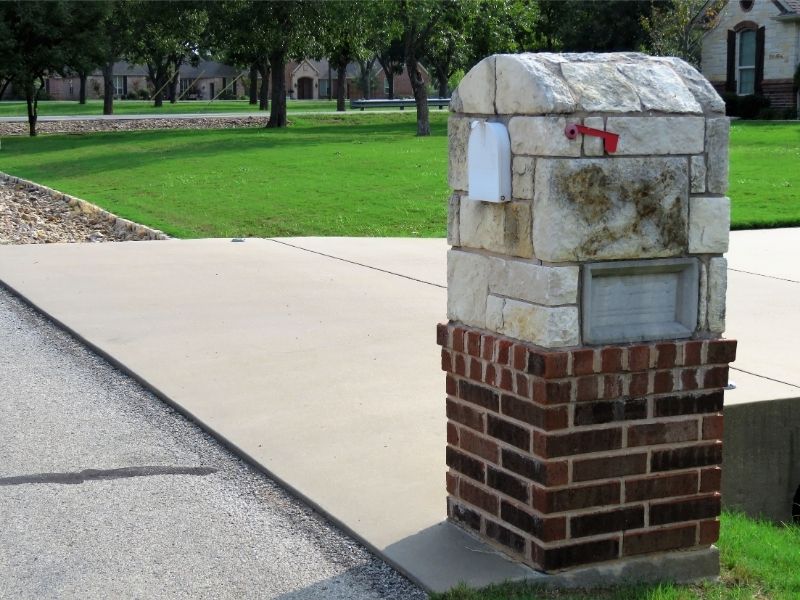
A masonry mailbox is a mailbox built into a column or structure of brick, stone, or a mix of both. It typically includes a mailbox insert, a cap, and a footing below ground. The best designs echo the materials and details already on the house.
Start by looking at your home’s exterior. Brick color, stone type, mortar tone, and trim details can all guide the mailbox design. A mailbox that matches the house looks intentional, while one that clashes can stand out for the wrong reasons.
Think about scale, too. A tall, wide column may suit a large home with a long drive, while a slimmer design fits a smaller lot. Brick and stone choices can depend on appearance, existing masonry, maintenance, and budget, so there’s no single right answer.
Planning House Number Placement for Street Visibility
House numbers only help if people can read them from the street. Place them where drivers naturally look, usually on the side of the mailbox facing oncoming traffic or toward the road. Numbers should stay clear of landscaping that might grow in front of them.
Height and size matter. Numbers set too low get hidden by grass or snow, and numbers that are too small are hard to read from a moving car. Contrast between the numbers and the background makes a big difference, especially at night.
Check any rules that apply before finalizing placement. The Postal Service publishes guidance on mailbox height, distance from the curb, and address numbers. Local addressing rules or HOA standards may also apply, so confirm requirements before construction begins.
Placement tips
- Face numbers toward the direction most traffic approaches
- Keep numbers above typical plant and grass height
- Choose strong contrast between numbers and background
- Consider lighting if the street is dark at night
Comparing Brick, Stone, and Metal Address Number Combinations
Address numbers can be made from several materials. Each one works differently with brick or stone and has its own look and upkeep.
Carved or engraved stone plaques give a classic, permanent look. They’re set into the masonry like part of the wall. Cast stone tablets offer a similar style with more uniform color and shape.
Metal numbers are popular for clean, modern designs. Brass, bronze, stainless steel, and powder-coated aluminum are common choices. They can be mounted directly to stone or brick, or on a backer plate set into the mailbox. Tile and ceramic numbers add color and work well with certain home styles.
No material is always better. The right choice depends on your home’s style, the mailbox design, how much contrast you need, and how much maintenance you want.
Integrating House Numbers Into the Mailbox Structure
The cleanest look comes from planning numbers before the mailbox is built. A recessed area or niche can be built into the column to hold a plaque. The mason sizes the opening to fit the plaque and sets it in mortar so it sits flush or slightly recessed.
Metal numbers need solid anchoring. Fasteners should go into sound masonry, and the mason may set anchors or a backer plate during construction. Drilling into finished brick or stone later is possible but can chip faces if not done carefully.
Plan for the mailbox insert and numbers together. They shouldn’t crowd each other, and the door needs room to open. A small drawing or mockup helps you see proportions before any brick or stone is laid.
Protecting Address Numbers and Masonry Finishes From Weather Exposure
Mailboxes take a beating from sun, rain, and sprinklers. Water is the biggest threat. A well-designed cap with a slight overhang sheds rain away from the column and the number plaque.
Choose rust-resistant metals and fasteners. Plain steel can rust and leave streaks down light-colored brick or stone. Stainless steel, brass, bronze, and coated aluminum generally hold up better outdoors.
Keep up with simple maintenance. Check mortar joints around the plaque and cap for cracks, and repair them before water gets in. Some owners apply a breathable sealer to stone or brick, but ask your mason whether it suits your materials, since the wrong product can trap moisture.
Frequently Asked Questions
What is a masonry mailbox?
A masonry mailbox is a mailbox built into a brick, stone, or mixed masonry column. It usually includes a mailbox insert, a cap, and a footing. Many are designed to match the home’s exterior. They’re durable and add curb appeal.
Where should house numbers go on a mailbox?
Put them where drivers can see them easily, usually facing the street or oncoming traffic. Keep them above grass and plants. Strong contrast helps them stay readable. Check postal guidance and local rules before finalizing placement.
Can I add house numbers to an existing masonry mailbox?
Yes, numbers can often be added to an existing mailbox. Metal numbers or plaques can be anchored into sound masonry. Careful drilling helps avoid chipping brick or stone. A mason can recommend the best attachment method.