What Is Brick Masonry? A Complete Guide for Homeowners

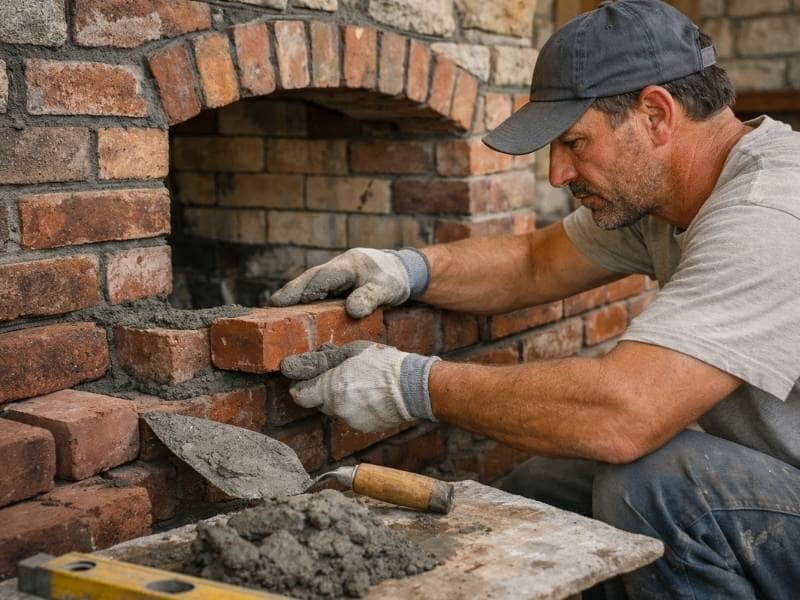
Brick masonry installation for a residential fireplace under construction

Brick masonry is one of the oldest and most dependable building methods in the world. If you own a home with a brick fireplace, a brick patio, or a brick mailbox, you are already living with this craft every day. But what exactly is brick masonry, and why does it matter for homeowners? 

What Is Brick Masonry?

Brick masonry is a construction method where individual bricks are stacked and bonded together using mortar to form a solid, durable structure. The mortar is a thick paste made from cement, sand, and water. When it dries, it holds the bricks tightly in place and keeps moisture from getting in.

The result is a structure that is strong, fire-resistant, and built to last for decades. Brick masonry is used in both new construction and repair work, covering everything from full exterior walls to smaller projects like outdoor fireplaces and retaining walls.

Types of Brick Masonry

Not all brick masonry is the same. The method a brick mason uses depends on the purpose of the structure and the level of strength it needs.

Solid Brick Masonry uses two or more layers of brick, bonded together with mortar. This is the most durable form and is often used in load-bearing walls and chimneys.

Brick Veneer Masonry is a single layer of brick attached to the outside of a structure. Most brick homes you see today use this method. The brick is not load-bearing. It acts as a protective and decorative outer shell.

Reinforced Brick Masonry adds steel rods or mesh inside the brickwork to give it extra strength. This type is common in areas with high wind or earthquake risk.

What Does a Brick Mason Do?

A brick mason is a skilled tradesperson who measures, cuts, and lays bricks to build or repair structures. The work requires precision, physical strength, and a trained eye for detail.

According to the U.S. Bureau of Labor Statistics, there are approximately 294,300 masonry workers employed in the United States as of 2024, with about 20,700 new job openings expected each year through 2034. The median annual wage for a brick mason is $56,600, which reflects the level of skill and training the job requires.

Brick masons typically learn their trade through a formal apprenticeship or years of hands-on experience. When you hire one, you are not just paying for labor. You are paying for the knowledge it takes to build something that will last.

Common Uses of Brick Masonry in Your Home

Brick masonry covers more of your home than you might realize. Here are the most common applications homeowners encounter.

Brick Fireplaces and Hearths

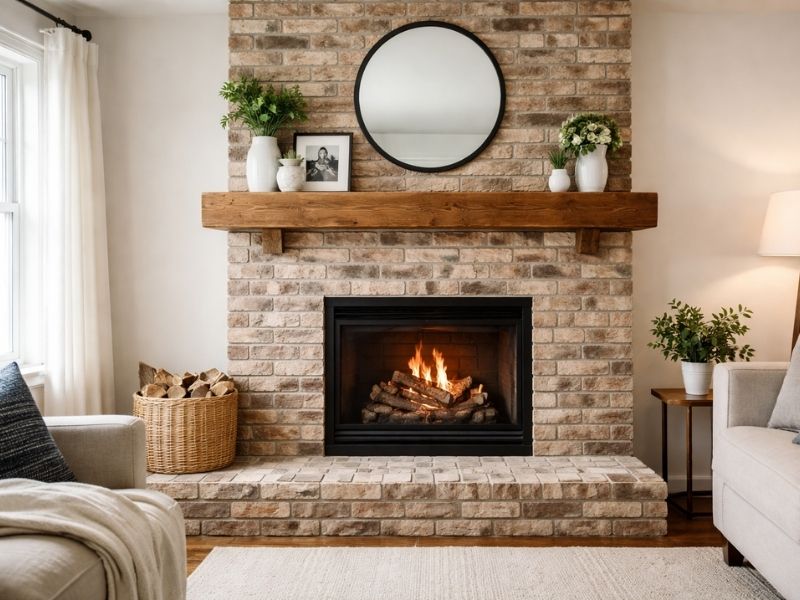
A brick fireplace is one of the most popular uses of brick masonry in the home. The firebox, the surround, and the hearth are all built using heat-resistant bricks and mortar designed to handle extreme temperatures. Brick hearths add warmth, character, and safety to any living space.

Brick Patios and Pavers

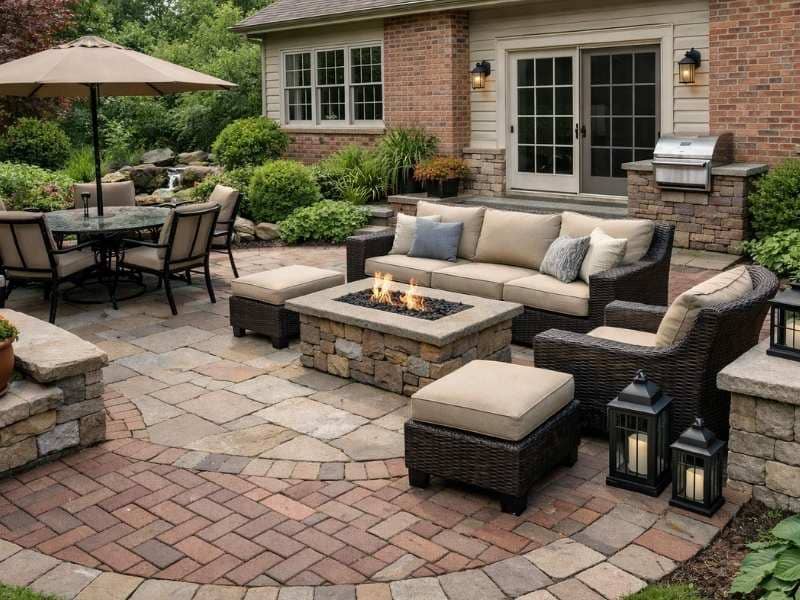
Brick patios and brick pavers are a classic choice for outdoor spaces. They are durable, slip-resistant, and easy to repair if a section becomes damaged. A well-laid brick patio can last 25 years or more with proper care.

Brick Mailboxes and Masonry Mailboxes

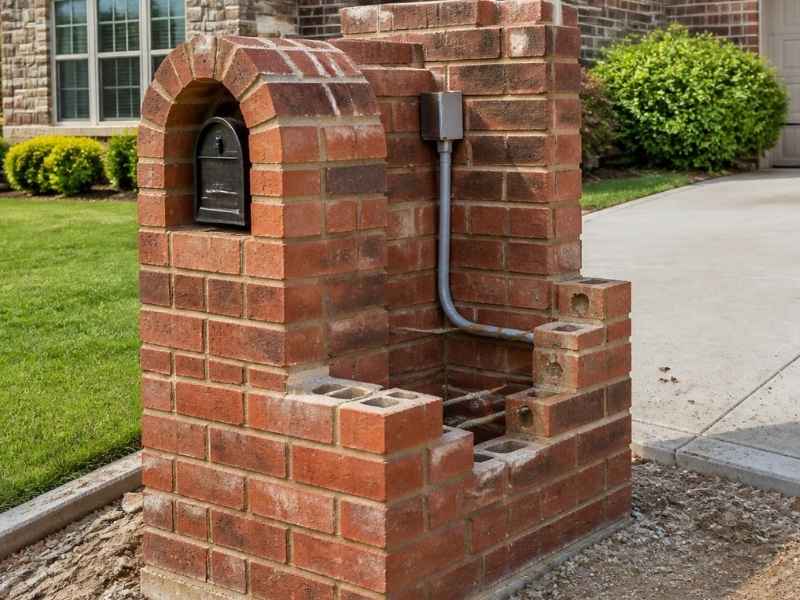
A brick mailbox or stone mailbox adds curb appeal and a sense of permanence to your property. Masonry mailboxes are far more durable than wood or metal posts and can withstand years of weather and impact without losing their appearance.

Retaining Walls

Brick retaining walls are used to hold back soil on sloped properties and create level areas for landscaping or outdoor living. They need proper drainage and a solid foundation to perform well over time.

Outdoor Kitchens and Outdoor Fireplaces

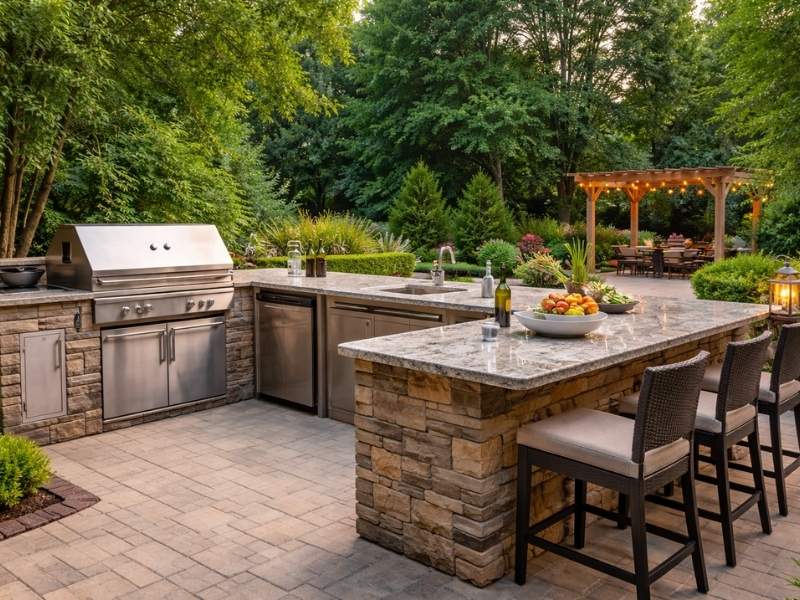
Brick and stone are the materials of choice for outdoor kitchens and outdoor fireplaces. They handle heat well, stand up to the elements, and give outdoor spaces a finished, high-quality look that other materials cannot match.

Brick Masonry vs. Stone Masonry: Key Differences

FeatureBrick MasonryStone Masonry
MaterialManufactured clay or concrete unitsNatural or cut stone
CostGenerally lowerGenerally higher
AppearanceUniform, classic lookVaried, natural look
Durability100+ years with care100+ years with care
Best ForWalls, patios, fireplaces, mailboxesFeature walls, hearths, outdoor kitchens

Both methods are excellent long-term investments. The right choice depends on your budget, the look you want, and the specific project. 

How Long Does Brick Masonry Last?

Brick masonry is one of the longest-lasting building materials available to homeowners. A properly built brick structure can last 100 years or more with minimal upkeep. The mortar between the bricks is the first thing to wear down over time, and it typically needs to be refreshed every 25 to 50 years through a process called tuckpointing or repointing.

The bricks themselves are highly resistant to fire, moisture, and temperature changes. This is one reason brick homes often carry higher resale values compared to homes built with other exterior materials.

How Much Does Brick Masonry Cost?

The cost of brick masonry work varies depending on the type of project, the materials used, and local labor rates.

As a general guide:

  • Brick installation costs between $10 and $45 per square foot, with most homeowners paying an average of $25 per square foot.
  • A full brick wall averages around $5,309, with most projects falling between $2,210 and $8,535.
  • Brick repair work typically costs $500 to $2,500, depending on the size and severity of the damage.

These are national averages. Your actual cost will depend on your location and the scope of your project. Getting a quote from a licensed brick mason is always the best first step.

How to Find a Qualified Brick Mason

Not every contractor who offers masonry work has the training to do it well. Here is what to look for when hiring a brick mason.

  • Check for licensing and insurance. A qualified mason should be licensed in your state and carry liability insurance. This protects you if something goes wrong during the project.
  • Ask to see past work. Reputable masons are happy to share photos or references from completed projects similar to yours.
  • Get more than one quote. Comparing at least two or three bids gives you a realistic sense of fair pricing for your area.
  • Ask about mortar matching. If you are repairing existing brickwork, the new mortar needs to match the color and texture of the old mortar. This is a small detail that makes a big difference in the finished appearance.

Adding an Indoor Fireplace to Your Home: What You Need to Know First

Indoor brick fireplace with a wood mantel and hearth showing a finished residential fireplace installation in a living room

A fireplace looks great on a floor plan. It also adds real value to a home when it’s done right. But a lot of homeowners and developers skip the planning stage and end up with a fireplace that’s expensive to fix, fails inspection or just doesn’t work the way they expected. This article covers what you need to think through before anyone picks up a trowel.

The Types of Indoor Fireplaces Worth Knowing

Not every fireplace works the same way, and the type you choose affects the build cost, the materials and the maintenance schedule.

Wood-Burning Fireplaces

This is the traditional option. A firebox sits inside a masonry surround, and a chimney carries smoke out of the house. It needs a proper foundation because the masonry is heavy. It also needs a lined flue, a damper and clearances from combustible materials on every side.

Wood-burning fireplaces produce real heat and real ambiance. They also produce creosote, which builds up in the flue and has to be cleaned out regularly. Skip that maintenance and you’re looking at a chimney fire.

Gas Fireplaces

Gas fireplaces use a sealed combustion system or a direct vent that runs through an exterior wall. They’re easier to install in existing homes because they don’t always need a full masonry chimney. They light with a switch and produce consistent heat without ash or smoke.

The tradeoff is that gas fireplaces need a gas line run to the location, which adds cost if one isn’t nearby. They also need annual servicing to check the burner, the ignition and the venting.

Electric Fireplaces

Electric fireplaces are the simplest to install. No venting, no gas line, no masonry. They plug in or wire directly into the home’s electrical panel. The flame is simulated, so they work as a visual feature more than a heat source.

For a developer adding a fireplace to a spec home on a budget, electricity is worth considering. For a buyer who actually wants to use the fireplace on cold nights, it falls short.

What the Build Actually Involves

The Firebox and Surround

The firebox is where the fire lives. For wood-burning and gas fireplaces, the firebox is lined with refractory materials that handle high heat without cracking. The surround is the decorative frame around the opening. It can be stone, brick, tile or a prefabricated unit.

Stone and brick surrounds cost more and take longer to build. They also last longer and tend to hold their value better at resale. A prefabricated metal surround is faster and cheaper, but it reads as cheaper too.

The Chimney and Flue

A wood-burning fireplace needs a chimney with a properly sized flue. The flue size depends on the firebox opening. Get it wrong and the fireplace smokes back into the room instead of drawing up and out.

Chimneys need a cap on top to keep rain and animals out. They need flashing where they meet the roof to keep water out of the house. Both details get skipped more often than they should.

Clearances and Hearth Requirements

Building codes are specific about how much space has to sit between a fireplace and any combustible material. Mantels, wood framing and flooring all have minimum clearance requirements. The hearth extension in front of the firebox has to meet a minimum size too, and it has to be made of non-combustible material.

These aren’t suggestions. A fireplace that fails inspection because of clearance issues means tearing out finished work and starting over.

Costs Developers Should Plan For

Rough ranges give a starting point, but local labor rates and material choices move the number a lot.

  • A basic prefabricated wood-burning fireplace with a metal chimney runs lower than a full masonry build.
  • A custom masonry fireplace with a stone surround and full brick chimney is one of the more expensive single features you can add to a home.
  • Gas fireplace inserts with direct vent systems sit in the middle of that range, and the gas line run adds cost depending on distance.
  • Electric fireplaces are the cheapest to install but add the least value.

Plan for permit fees on top of material and labor. Most jurisdictions require a permit for fireplace installation, and inspections happen at multiple stages of the build.

Common Mistakes That Cost Money

Wrong mortar for the firebox is one of the most repeated errors on fireplace builds. Standard mortar breaks down under heat. The firebox needs refractory mortar rated for high temperatures. Using the wrong mix leads to cracked joints within a season or two.

Undersizing the flue causes smoke problems from day one. A flue that’s too small for the firebox won’t draw properly. Size it correctly from the start.

A fireplace without a working damper loses heat through the chimney every time it’s not in use. A top-mounted damper is a simple fix that saves on heating bills over time.

Newer, tightly sealed homes don’t have enough air infiltration to feed a wood-burning fireplace. Without a dedicated outside air supply, the fireplace pulls heated air from the house and creates negative pressure. The fix is simple to add during construction and expensive to retrofit later.

Pre-Build Checklist

  • Confirm foundation requirements for masonry builds
  • Check local code for clearance and hearth size requirements
  • Size the flue to match the firebox opening
  • Plan the gas line route before framing closes up
  • Include outside air supply in tight construction
  • Budget for permit fees and inspections

Frequently Asked Questions

Does adding a fireplace increase home value? 

A wood-burning or gas fireplace typically adds value, particularly in climates with cold winters. Real estate surveys consistently show buyers will pay more for a home with a fireplace. Electric fireplaces add less value since buyers know they’re primarily decorative.

How long does it take to install an indoor fireplace? 

A prefabricated gas or electric unit can go in within a few days once the rough-in work is done. A custom masonry fireplace with a full brick chimney takes longer, often several weeks depending on the size of the build and how quickly inspections get scheduled.

Can a fireplace be added to an existing home? 

Yes, but it costs more than building one in from the start. Running a gas line or cutting a chase for a chimney through a finished home adds labor and disruption. Gas inserts with direct vent systems are the most practical retrofit option for most existing homes.

What maintenance does an indoor fireplace need? 

Wood-burning fireplaces need annual chimney cleaning and inspection to clear creosote buildup. Gas fireplaces need a yearly check of the burner and venting system. Electric fireplaces need very little beyond keeping the unit clean. All types benefit from checking the surround and hearth for cracks each season.

What permits are needed for a fireplace installation? 

Most jurisdictions require a building permit for any new fireplace installation. Some also require a separate mechanical permit if gas work is involved. Check with your local building department before starting. Skipping permits creates problems at resale when the work shows up as unpermitted during a home inspection.

Welcome to Birmingham Brick & Stone

Birmingham Brick & Stone specializes in stone masonry and brick masonry construction. Our expertise in masonry covers brickwork, block work, stonework, and all sorts of related products and applications. We serve the City of Birmingham and surrounding Central Alabama communities.

Call us at (205) 707-9779 to discuss your project.

What is Masonry Work?

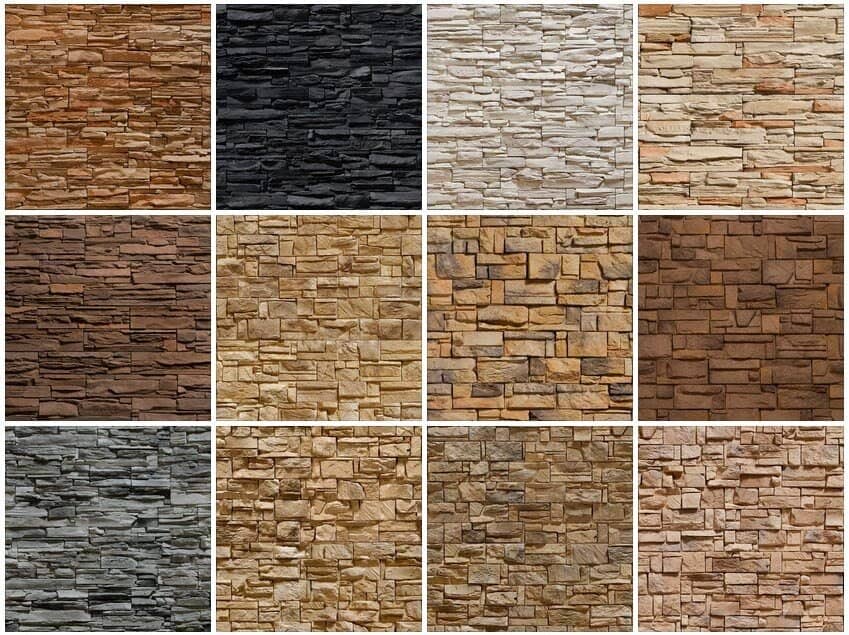
Seamless Masonry Stone WallsMasonry is building structures from individual units, which are often laid in and bound together by mortar. Common materials of masonry construction are brick, natural stone (such as marble, granite, travertine, and limestone,) cast stone, concrete block, stucco, tile, and glass block. Masonry is a highly durable form of construction.

The strength and durability of masonry are affected by the materials used, the quality of the mortar, the workmanship, and the pattern in which they are assembled. A person who constructs masonry is called a mason, a brick mason, stone mason, or bricklayer.

Applications of Masonry

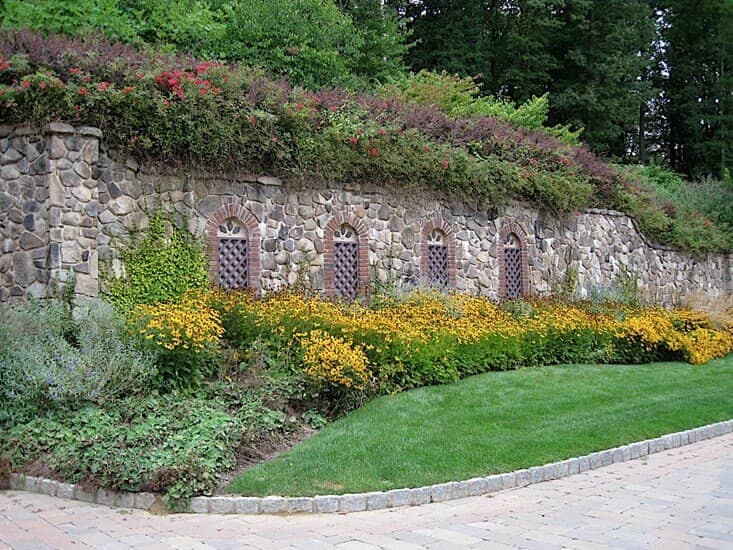
brick stone wall landscapingMasonry is commonly used for walls and buildings, either inside or outside. Brick and concrete block are the most common types of masonry in use and may be either weight-bearing or a veneer.  Stone, both natural and man-made, is being used more and more for decorative features inside, outside and in backyards. Patios, outdoor kitchens, outdoor fireplaces, fire pits, decorative walls, decking, retaining walls, landscaping or hardscaping, and lots of other amenity applications are common place now. Natural stone masonry can provide very aesthetically pleasing projects.

Advantages of Brick or Stone in Building

  • Bricks and stone masonry increases the thermal mass of a building
  • Brick and stone masonry is non-combustible and provides fire protection
  • Brick and stone masonry walls are more resistant to projectiles, such as debris from hurricanes or tornadoes.
  • Brick and stone masonry weathers well and needs much less maintenance over time than other natural materials.
  • No painting is necessary for brick or stone. Color and finish selections are almost endless.
  • Brick and stone masonry typically lasts longer than wood products
  • Brick and stone masonry has higher compressive strength compared to wood and other natural products.
  • Brick and blockwork walls provide excellent sound insulation.
  • Stone does not warp, swell, bend, splinter, or dent.
  • Brick and stone are versatile in their aesthetic appeal and can work well with other construction materials.
  • Use of brick and stone signals a strong sense of permanence and longevity.

Call Birmingham Brick & Stone at (205) 707-9779 for a free quote on your brick or stone masonry project. Or, fill out the contact form to the right.