
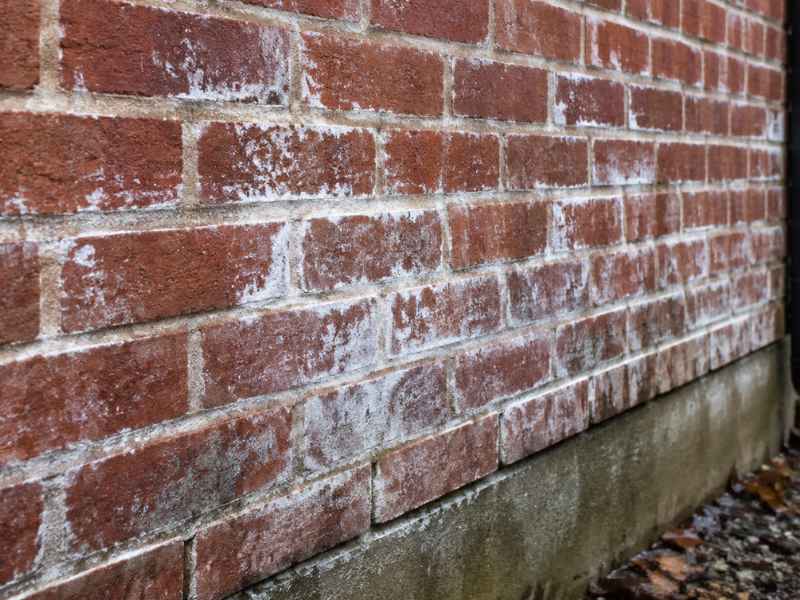
Brick masonry with white, chalky streaks can look fine after a good scrub, then show the same marks a few weeks later. That cycle frustrates a lot of homeowners. They clean, it returns, and they clean again. The deposits keep coming back because the cause is still there.
Those white marks are called efflorescence. They’re salts carried to the surface by water moving through the brick and mortar. As long as water keeps finding a path through the wall, the salts will keep showing up. The real fix is finding and stopping that moisture, and cleaning comes second.
Why White Deposits Reappear on Exterior Brick Masonry
Efflorescence needs three things to form. There have to be soluble salts in the brick, mortar, soil, or nearby materials. There has to be water to dissolve those salts. And there has to be a path for that water to reach the surface and dry out, leaving the salts behind.
New walls often show a light white haze in their first year. Builders sometimes call this new building bloom, and it usually fades as construction moisture dries out. Deposits that keep returning on an older wall are a different story. They point to water that’s still getting in on a regular basis.
Pay attention to where the white shows up. Marks under windows, near downspouts, along the base of a wall, or below a wall cap often sit right beneath the moisture source. A pattern like that is a clue. Take photos after rain so you can track where the deposits form.
Identifying Hidden Moisture Sources Behind Recurring Stains
Most recurring stains trace back to water entering from above, from the side, or from the ground. The source is often hidden from casual view. A masonry contractor will usually check these common trouble spots first:
- Gutters that overflow or downspouts that dump water against the wall
- Missing, damaged, or poorly lapped flashing at windows, roofs, and ledges
- Cracked or missing caps on garden walls, columns, and chimneys
- Open, cracked, or eroded mortar joints
- Sprinklers that spray the wall every day
- Soil, mulch, or pavers piled above the weep holes at the base
Ground moisture is easy to miss. Brick near soil can pull water upward, and salts from the ground can come along with it. Freestanding pieces like a retaining wall, an outdoor fireplace, or an outdoor kitchen surround can show the same problem when their caps or bases let water in. Even a brick patio or brick pavers can bloom white when water moves up through the base.
Check inside the wall cavity area too, if you can. Blocked weep holes can trap water behind the brick, and that water has to go somewhere. A professional inspection can help find sources that aren’t obvious from the outside.
How Weather Cycles Influence Salt Migration Through Brick Masonry
Weather controls how fast water moves in and out of a wall. Rain soaks the brick and dissolves salts inside it. When the surface dries, water moves outward and leaves the salts on the face. The more often a wall gets wet and dries, the more salt it can bring to the surface.
Slow drying often makes deposits more visible. Cool, damp stretches let water linger near the surface, so salts have more time to collect there. That’s one reason many homeowners notice efflorescence more during cooler, wetter months. Warm, dry periods may hide it for a while without solving anything.
In places with freezing weather, repeated freeze and thaw cycles can crack mortar and brick faces. Those cracks give water new ways in. Long stretches of heavy rain can have a similar effect by keeping the wall saturated. Either way, more water in the wall usually means more salt on the surface.
Why Surface Cleaning Alone Fails to Prevent Efflorescence
Cleaning removes the salts you can see, but it doesn’t stop new ones from forming. If water keeps moving through the wall, it’ll keep carrying salt to the face. That’s why stains often come back after the first good rain. Cleaning treats the symptom only.
The wrong cleaning method can make things worse. Pressure washing can drive water deeper into the brick and mortar, which feeds the next round of deposits. Harsh acid cleaners can damage mortar, discolor brick, and leave their own residue. Many contractors start with dry brushing, then move to gentler methods only if needed.
Sealers deserve caution too. A coating that traps moisture can push salts to form just under the brick face, where they can cause flaking or spalling. Breathable water repellents may help some walls, but only after the moisture source is fixed. Ask a masonry professional before applying any sealer.
Long-Term Moisture Control for Exterior Brick Masonry Walls
Lasting results come from keeping water out of the wall and letting trapped water escape. Start with the roofline. Clean gutters, extend downspouts away from the wall, and repair any flashing that’s missing or damaged. These fixes often make the biggest difference.
Then look at the wall itself. Cracked or eroded mortar joints may need repointing, which means removing damaged mortar and replacing it with new mortar that suits the brick. Damaged caps on garden walls, columns, and chimneys should be repaired or replaced so water runs off instead of soaking in. Keep weep holes open and clear.
Finish with the ground around the wall. Grade soil so it slopes away from the brick, and keep mulch and pavers below weep holes. Adjust sprinklers so they don’t spray the wall. Once the moisture is under control, any remaining deposits can be cleaned off and should stay gone much longer.
Frequently Asked Questions
Is efflorescence harmful to brick masonry?
The white deposits themselves are usually a surface issue. The water causing them can lead to bigger problems over time. Ongoing moisture can damage mortar, cause spalling, and weaken parts of the wall. Treat recurring efflorescence as a warning sign.
Will efflorescence go away on its own?
Light bloom on new walls often fades as construction moisture dries out. Deposits on older walls usually keep returning if water still gets in. Finding and fixing the moisture source is the only lasting solution. Cleaning without that step rarely holds.
What’s the safest way to clean white deposits?
Start with a stiff, dry brush on a dry day. Many deposits come off without any water or chemicals. If they don’t, ask a masonry contractor about gentle cleaners suited to your brick. Avoid pressure washing and strong acids unless a professional recommends them.