How Brick Veneer Differs From Solid Brick Construction

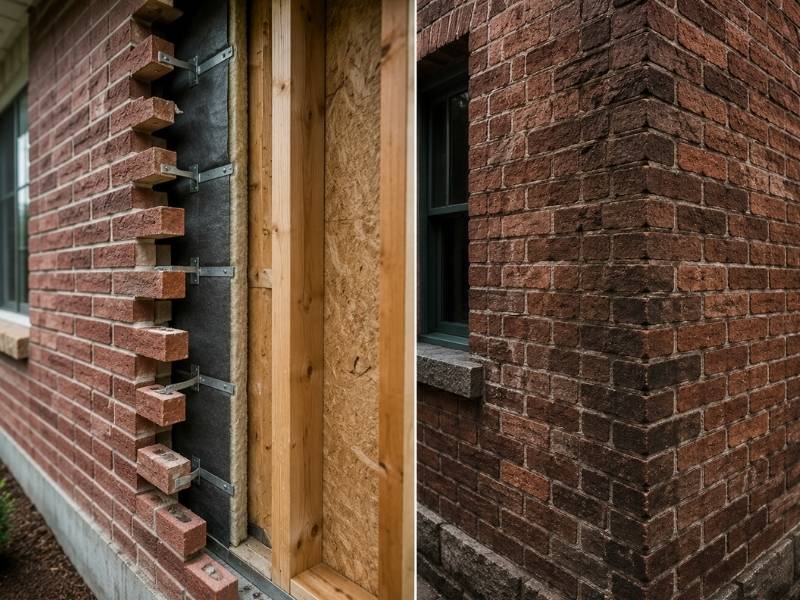
Side-by-side comparison of brick veneer and solid brick construction on residential homes, illustrating the structural differences for homeowners in Birmingham, AL.

Two houses can look identical from the street. Same brick, same color, same pattern. But one is built with brick veneer. The other uses solid brick construction. The difference matters a lot more than curb appeal. Knowing which type you have changes everything from repair costs to how a wall handles moisture. Here’s what actually separates the two, and why it matters for homeowners in Birmingham.

The Facade That Isn’t Holding Anything Up

Brick veneer is a single layer of brick. It gets attached to the outside of a home’s real structure. That structure is usually wood framing or block. The brick sits in front of it purely as a facade.

The brick isn’t holding the house up. A wood frame, steel frame, or concrete block wall behind it does that job. The brick layer connects to this structure using metal ties. A small air gap sits between the brick and the wall behind it.

This gap matters more than it looks. It lets moisture drain and air circulate. That keeps water from sitting against the structural wall behind the brick.

When the Brick Itself Is the Wall

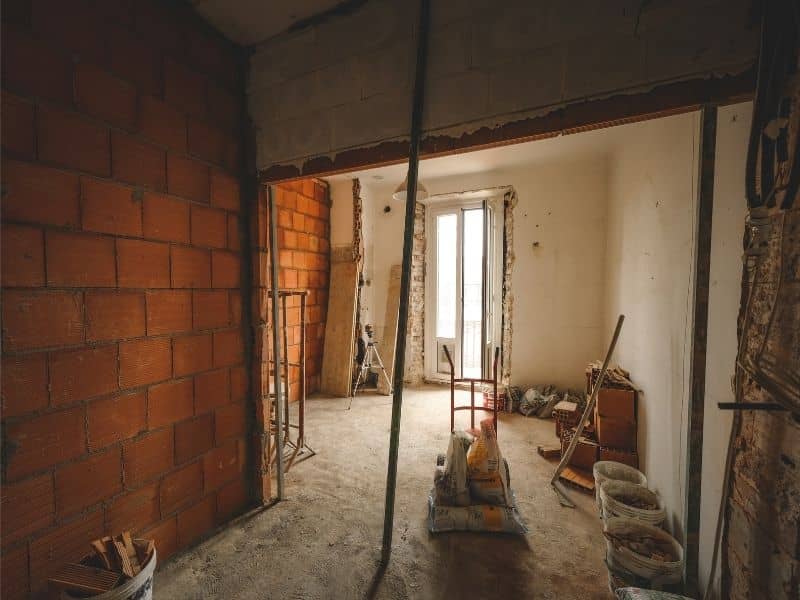
Solid brick construction works differently. It’s a basic, structural difference. Instead of one layer of brick sitting in front of a separate structure, solid brick construction uses multiple layers of brick. This traditional method of brick wall construction allows the masonry itself to support the building without relying on a wood-framed wall behind it.

There’s no wood frame hiding behind the brick in true solid construction. The brick itself is the wall. This method was common in older homes. Homes built before the mid-1900s often used it, before brick veneer construction became the standard practice it is today.

Why the Difference Shows Up During Repairs, Not Curb Appeal

From the sidewalk, brick veneer and solid brick construction can look exactly the same. But once you get into repairs, moisture issues, or renovations, the differences show up fast.

Managing Water Two Different Ways

Brick veneer relies on that air gap and drainage system to manage water. Weep holes at the base let moisture escape instead of building up behind the brick. Solid brick construction handles moisture differently. It often relies on the sheer mass and density of multiple brick layers to resist water penetration. This works differently, and sometimes less effectively over time, compared to a properly built veneer system.

What a Crack Actually Means Depends on the Wall Behind It

A cracked brick in a veneer wall is usually a cosmetic and moisture concern. It’s not a structural one, since the real structural wall sits behind it. A cracked or shifting wall in true solid brick construction is a bigger deal. That brick is doing actual structural work holding the building up.

Why One Type Costs Less to Fix

Veneer brick isn’t structural, so repairs tend to be more straightforward. A mason can often replace individual bricks or repoint mortar joints. This work usually doesn’t risk the building’s structural integrity. Solid brick construction repairs require more caution. Work on the brick itself can affect the wall’s ability to bear weight.

Figuring Out Which One Your Home Actually Has

For homeowners unsure which type of construction their home uses, a few signs can help.

Look Closely at Window and Door Trim

Look closely at a window or door frame where brick meets the opening. Veneer construction often shows a visible gap or flashing detail. Solid brick construction typically doesn’t have this same detail.

Let the Home’s Age Guide Your Guess

Homes built before the 1950s are more likely to use solid brick construction. This holds true in many parts of the country, including older Birmingham neighborhoods. Homes built afterward are far more likely to use brick veneer. It became the standard residential building method as construction costs and techniques shifted.

Peek Behind the Brick From an Unfinished Space

If you have access to a basement, attic, or unfinished area, check where the wall structure is visible. You can often see whether wood framing sits behind the brick. Visible studs or framing material behind the brick usually confirm veneer construction.

What This Means for New Construction or a Major Renovation

For anyone planning new construction or a major renovation involving brick, this distinction shapes some real decisions.

  • Brick veneer offers more design flexibility. It’s not doing structural work, so it can be applied to various framed structures.
  • Solid brick construction offers a different kind of durability. It comes with less flexibility for later renovations that might involve altering wall openings or structure.
  • Repair and maintenance costs generally run lower over time with veneer construction. Work on the brick itself doesn’t carry the same structural risk.
  • Older solid brick homes sometimes need specialized masons familiar with historic construction methods. Repair techniques differ from standard veneer repair work.

Bringing In the Right Mason for the Job

Not every masonry contractor has equal experience with both construction types. This matters more than most homeowners expect.

A mason who mainly works on modern veneer repairs may not have the training needed to safely assess a solid brick structural wall. Solid brick construction, especially in a historic home, sometimes requires knowledge of lime-based mortar and older building techniques. These differ quite a bit from modern practices.

Before hiring anyone for brick work, ask directly about their experience with your specific construction type. A mason confident working on one type isn’t automatically qualified for the other. Getting this wrong can turn a simple repair into a bigger structural problem.

Frequently Asked Questions

Is brick veneer less durable than solid brick construction?

Not necessarily. When properly installed and maintained, brick veneer can provide long-lasting performance comparable to solid brick construction. The primary difference is that solid brick walls provide structural support, while brick veneer is attached to a framed wall system.

Can you tell the difference between brick veneer and solid brick from the outside?

Not always. From the exterior, both construction types often appear similar. The differences are usually easier to identify around window and door openings or from unfinished interior areas where the wall structure is visible.

Is it more expensive to repair solid brick construction than brick veneer?

In many cases, yes. Because solid brick walls are structural, repairs often require more specialized techniques and careful planning. Brick veneer repairs are typically less complex, depending on the extent of the damage.

Do older homes commonly have solid brick construction?

Many homes built before the mid-20th century were constructed with solid brick walls, although this varies by neighborhood, architectural style, and the age of the home. A professional mason can determine the type of construction used in a specific property.

Does brick veneer require the same maintenance as solid brick construction?

Both systems benefit from routine inspections and maintenance of mortar joints. Brick veneer also relies on proper drainage components, such as air spaces and weep holes, so keeping these features clear is important for preventing moisture-related problems.

Retaining Wall Problems Homeowners Should Watch For Early

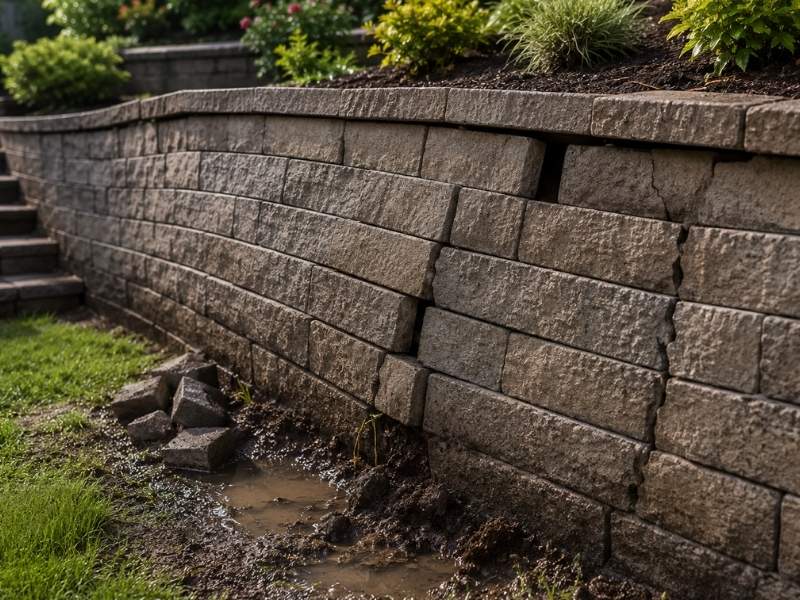
Cracked and leaning retaining wall with soil erosion and standing water, showing early signs of structural problems in Birmingham, AL.

A retaining wall holds back a lot more than dirt. It holds back water, pressure, and the slope of your entire yard. When something goes wrong, the signs show up small at first. A hairline crack. A slight lean. By the time most homeowners notice, the problem has already been building for months. Catching these early signs saves you from a full wall rebuild later, and it starts with knowing exactly what to look for.

Why Retaining Walls Fail in the First Place

Most retaining wall problems trace back to one thing: water. Many retaining wall repair projects begin because poor drainage allows pressure to build behind the wall over time.

A wall’s main job is holding back soil. But soil holds water, and water adds weight. Without a way to drain, that weight pushes against the wall constantly. Over time, even a well-built wall starts to give.

Poor drainage is the most common cause. But soil type, wall age, and original construction quality all play a role too. Clay-heavy soil, common across parts of Birmingham, expands and contracts more than sandy soil. That movement stresses a wall in ways a homeowner never sees happening underground.

Early Signs a Retaining Wall Is in Trouble

Most retaining wall failures don’t happen overnight. They build slowly, and the early signs are easy to miss if you’re not looking for them.

Cracks That Weren’t There Before

A few hairline cracks in mortar joints are normal over time. But cracks that widen, run diagonally, or appear in a pattern across multiple courses of brick or stone are a different story. These often point to shifting pressure behind the wall, not simple age.

A Wall That’s Starting to Lean or Bulge

Run your eye along the top of the wall. Does it look straight? A wall that bulges outward in the middle, or leans forward at the top, is showing you where pressure has already won against the structure. This is one of the clearest signs that something behind the wall isn’t draining the way it should.

Water Pooling at the Base

Standing water right at the base of a retaining wall after rain is a warning sign. It means water isn’t draining through or around the wall properly. Instead, it’s sitting there, adding pressure and slowly weakening the soil and the wall’s foundation.

Soil Settling or Sinking Behind the Wall

Look at the ground just behind the wall. If it’s sinking, settling, or pulling away from the wall itself, water may be washing out fine soil particles from behind the structure. This creates hidden gaps that reduce the wall’s support over time.

Missing or Crumbling Mortar

Mortar joints that are crumbling, missing chunks, or feel soft when you press on them have lost their strength. This lets water infiltrate more easily, and it also means the wall has less structural integrity holding its individual stones or bricks together.

Why Drainage Is the Real Root of Most Problems

Almost every retaining wall issue traces back to how water moves, or fails to move, around the structure.

Weep Holes and What They’re Actually For

Small gaps built into a retaining wall, often called weep holes, exist for one reason. They let built-up water escape instead of pooling behind the wall. If these get blocked by dirt, debris, or plant growth, water has nowhere to go, and pressure builds fast.

Grading That Sends Water Toward the Wall Instead of Away

Sometimes the problem isn’t the wall itself. It’s the ground around it. If the yard grade slopes toward the wall instead of away from it, every rainstorm sends more water directly into the soil the wall is trying to hold back.

When a Small Repair Isn’t Enough Anymore

Some retaining wall problems are simple fixes. Others mean the wall has failed structurally and needs to come down.

Signs You’re Past the Point of Patching

A wall that’s leaning more than a couple inches out of plumb, or one with cracks running through multiple sections, usually can’t be patched back to safety. At that point, a mason needs to assess whether the wall can be reinforced or needs to be rebuilt from the footing up.

Why Waiting Makes the Fix More Expensive

A small drainage fix or repointing job today costs far less than a full wall replacement later. Once a wall fails structurally, everything behind it, patio, landscaping, sometimes even a portion of the yard itself, is at risk of shifting or collapsing along with it.

What to Do If You Spot These Signs

  1. Take photos of cracks, leaning, or pooling water so you can track whether the problem is getting worse over time.
  2. Clear any visible debris blocking weep holes, since this is sometimes an easy fix that reduces pressure fast.
  3. Check the grading near the wall to see if water is being directed toward it instead of away.
  4. Call a mason for an inspection if you notice leaning, bulging, or cracks that seem to be spreading.
  5. Don’t ignore small changes. A wall that looks fine one season can shift significantly by the next, especially after a wet winter.

Frequently Asked Questions

How can I tell if a retaining wall crack is serious?

Hairline cracks are often cosmetic, but cracks that widen over time, run diagonally, or extend across multiple rows of brick or stone may indicate structural movement. If the crack changes in size or new cracks appear, it’s a good idea to have the wall evaluated by a masonry professional.

Can a leaning retaining wall be repaired without rebuilding it?

In some cases, yes. A retaining wall with only minor movement may be stabilized or reinforced if the underlying structure remains sound. However, walls with significant leaning, foundation failure, or extensive damage often require partial or complete reconstruction.

Why does water cause so many retaining wall problems?

Water trapped behind a retaining wall increases pressure against the structure. Without proper drainage, this pressure can lead to cracking, bowing, leaning, or even wall failure over time.

What are weep holes, and why are they important?

Weep holes are small openings built into certain retaining walls to allow trapped water to drain from behind the wall. They help reduce hydrostatic pressure, improve drainage, and extend the life of the retaining wall.

How often should a retaining wall be inspected?

A visual inspection once or twice a year is recommended, especially after periods of heavy rainfall or severe weather. Regular inspections can help identify small issues early, making repairs simpler and less expensive.

Welcome to Birmingham Brick & Stone

Birmingham Brick & Stone specializes in stone masonry and brick masonry construction. Our expertise in masonry covers brickwork, block work, stonework, and all sorts of related products and applications. We serve the City of Birmingham and surrounding Central Alabama communities.

Call us at (205) 707-9779 to discuss your project.

What is Masonry Work?

Seamless Masonry Stone WallsMasonry is building structures from individual units, which are often laid in and bound together by mortar. Common materials of masonry construction are brick, natural stone (such as marble, granite, travertine, and limestone,) cast stone, concrete block, stucco, tile, and glass block. Masonry is a highly durable form of construction.

The strength and durability of masonry are affected by the materials used, the quality of the mortar, the workmanship, and the pattern in which they are assembled. A person who constructs masonry is called a mason, a brick mason, stone mason, or bricklayer.

Applications of Masonry

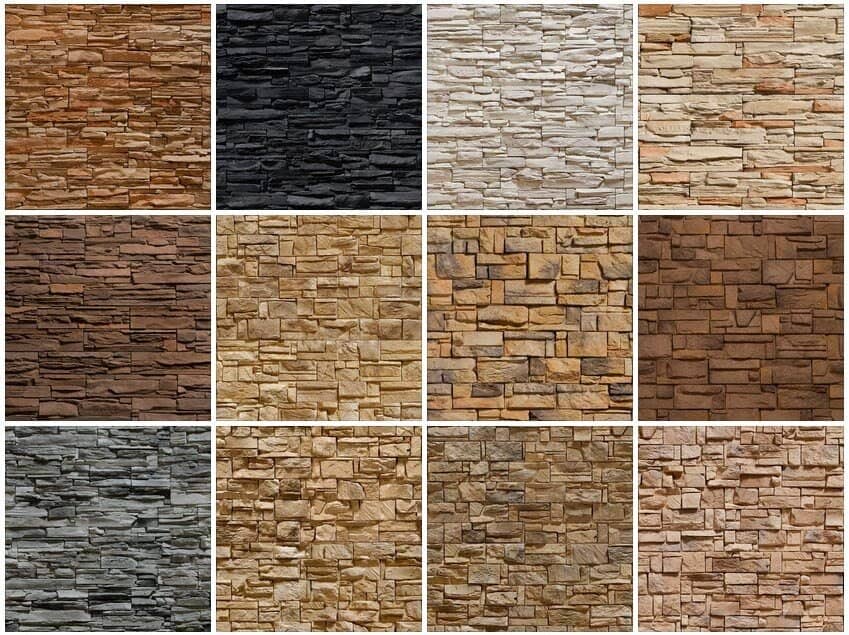
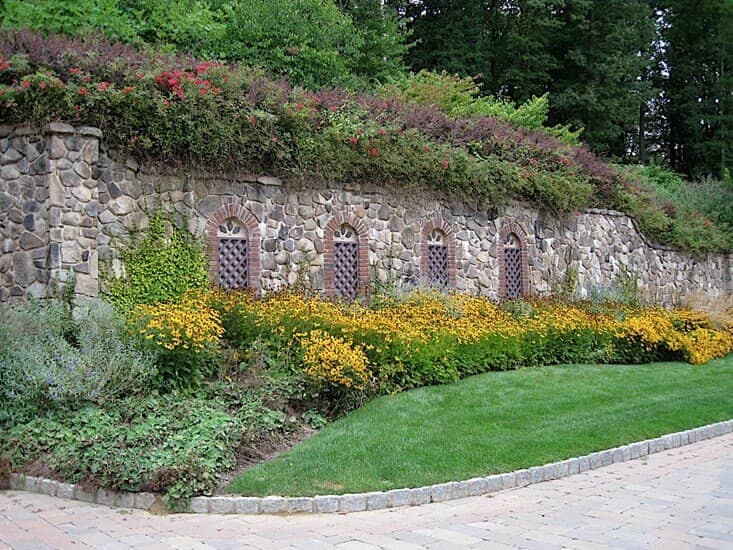
brick stone wall landscapingMasonry is commonly used for walls and buildings, either inside or outside. Brick and concrete block are the most common types of masonry in use and may be either weight-bearing or a veneer.  Stone, both natural and man-made, is being used more and more for decorative features inside, outside and in backyards. Patios, outdoor kitchens, outdoor fireplaces, fire pits, decorative walls, decking, retaining walls, landscaping or hardscaping, and lots of other amenity applications are common place now. Natural stone masonry can provide very aesthetically pleasing projects.

Advantages of Brick or Stone in Building

  • Bricks and stone masonry increases the thermal mass of a building
  • Brick and stone masonry is non-combustible and provides fire protection
  • Brick and stone masonry walls are more resistant to projectiles, such as debris from hurricanes or tornadoes.
  • Brick and stone masonry weathers well and needs much less maintenance over time than other natural materials.
  • No painting is necessary for brick or stone. Color and finish selections are almost endless.
  • Brick and stone masonry typically lasts longer than wood products
  • Brick and stone masonry has higher compressive strength compared to wood and other natural products.
  • Brick and blockwork walls provide excellent sound insulation.
  • Stone does not warp, swell, bend, splinter, or dent.
  • Brick and stone are versatile in their aesthetic appeal and can work well with other construction materials.
  • Use of brick and stone signals a strong sense of permanence and longevity.

Call Birmingham Brick & Stone at (205) 707-9779 for a free quote on your brick or stone masonry project. Or, fill out the contact form to the right.