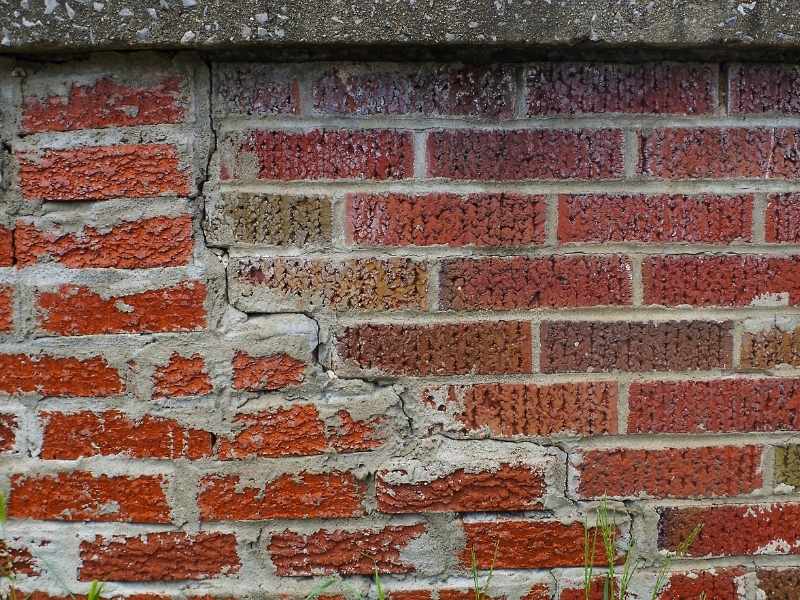
Brick is known for its strength and durability, but even well-built masonry can develop problems over time. Small cracks, damaged mortar, and moisture issues may seem minor at first, but they can lead to bigger and more costly repairs if left untreated. Knowing the warning signs can help homeowners address problems early and protect the long-term condition of their property.
Cracks Appearing in Brick Walls or Mortar Joints
Not all cracks are equal. A hairline crack in a single brick is usually cosmetic. A crack running through multiple bricks and mortar joints is a different story.
Stair-step cracks are the ones to watch. They follow the mortar joints in a diagonal line. This pattern often points to foundation movement or shifting soil. Birmingham’s clay-heavy soil moves with moisture changes. That movement puts pressure on masonry walls over time.
Horizontal cracks across a wall are even more serious. They can mean the wall is taking on lateral pressure it wasn’t designed to handle.
Any crack that’s getting wider over weeks or months needs a professional eye. Mark the ends with a pencil and check it again in 30 days. If it grows, that’s a clear sign you need brick repair before the damage spreads.
Loose, Broken, or Missing Bricks Around the Home
A single loose brick might seem minor. It rarely is. Once a brick shifts out of position, the bricks around it lose support. Water gets into the gap. The problem spreads fast.
Broken bricks happen for several reasons. Physical impact is one. But water damage is far more common in Alabama’s climate. Water soaks into porous brick, then expands when temperatures drop. That freeze-thaw cycle chips, splits, and cracks brick over multiple winters.
Missing bricks leave an open hole in the wall. That hole lets in water, insects, and wind. The mortar around the gap dries out and starts to fail faster too. When you spot loose or missing bricks, brick repair is the only way to stop the damage from getting worse.
Crumbling Mortar Between the Bricks
Mortar holds everything together. When it starts to crumble, the whole wall weakens.
Mortar has a lifespan. Most standard mortar lasts 25 to 30 years before it starts to break down. Older homes in Birmingham often have mortar that’s well past that point. You can spot deteriorating mortar by running your finger along a joint. If it comes away as powder or small chunks, it needs attention.
This is where tuckpointing comes in. A mason removes the damaged mortar to about three-quarters of an inch deep, then packs in fresh mortar. Done right, it restores the strength and water resistance of the wall.
Skipping this repair is a mistake. Worn mortar joints are open channels for water. Once water gets behind the brick, the cost of brick repair goes up fast.
White Stains and Moisture Problems on Brick Surfaces
White chalky stains on brick are called efflorescence. It happens when water moves through the masonry and pulls salts to the surface. On its own, efflorescence isn’t structural damage. But it’s a clear sign that water is getting into the wall.
Left alone, that moisture causes real problems. It softens the brick face, weakens mortar joints, and can lead to mold inside the wall cavity. In Birmingham’s humid summers, moisture problems get worse fast if repairs are delayed.
Dark stains or streaks below window sills and above door frames often point to flashing failures. Flashing is the metal barrier that directs water away from openings. When it fails, water runs straight into the masonry.
If you’re seeing white stains, wet spots after rain, or interior moisture near an exterior brick wall, don’t ignore it. That’s a sign brick repair and a full inspection are overdue.
Leaning Walls, Bulging Bricks, and Other Structural Warning Signs
A wall that bows outward is not a cosmetic problem. It’s a structural failure in progress.
Bulging brickwork happens when wall ties corrode or fail. Wall ties are metal connectors between the brick veneer and the structure behind it. Without them, the outer layer of brick starts to separate from the wall. It looks like a gentle curve at first. Over time, sections can collapse.
Leaning chimneys are a specific version of this. A chimney pulling away from the house has lost its footing or its mortar base. This is a safety issue, not just a repair issue.
Separated bricks at corners, sections that look uneven from the side, or doors and windows that suddenly stick are all signs the masonry is moving. Any of these call for brick repair right away. Early action keeps a repair job from turning into a full rebuild.
Frequently Asked Questions
What Are the Most Common Signs That a Home Needs Brick Repair?
The most common signs include cracks in the brick or mortar, crumbling joints, loose or missing bricks, white staining on the wall surface, and brickwork that bows or leans. Any of these mean it’s time for a professional inspection.
Can Cracked Bricks Be Repaired, or Do They Need to Be Replaced?
Small cracks can often be repaired with mortar or a flexible masonry sealant. Bricks with deeper structural cracks, missing sections, or spalling surfaces usually need to be replaced. A mason can determine the best solution based on the extent of the damage.
Why Does Mortar Between Bricks Begin to Crumble?
Age is one of the biggest factors. Standard mortar naturally wears down over time, while water infiltration and freeze-thaw cycles can accelerate deterioration. As mortar weakens, gaps form and allow more moisture to enter the wall.
How Long Does Professional Brick Repair Usually Last?
Tuckpointing and brick replacement performed by an experienced mason can last 20 to 30 years or more when quality materials and proper installation methods are used. Lifespan also depends on climate and drainage conditions around the home.
When Should You Call a Masonry Contractor for Brick Repair?
Homeowners should contact a masonry contractor when they notice widening cracks, loose bricks, deteriorating mortar, or sections of the wall that bow or lean. Addressing these issues early can help prevent more extensive and expensive repairs later.