
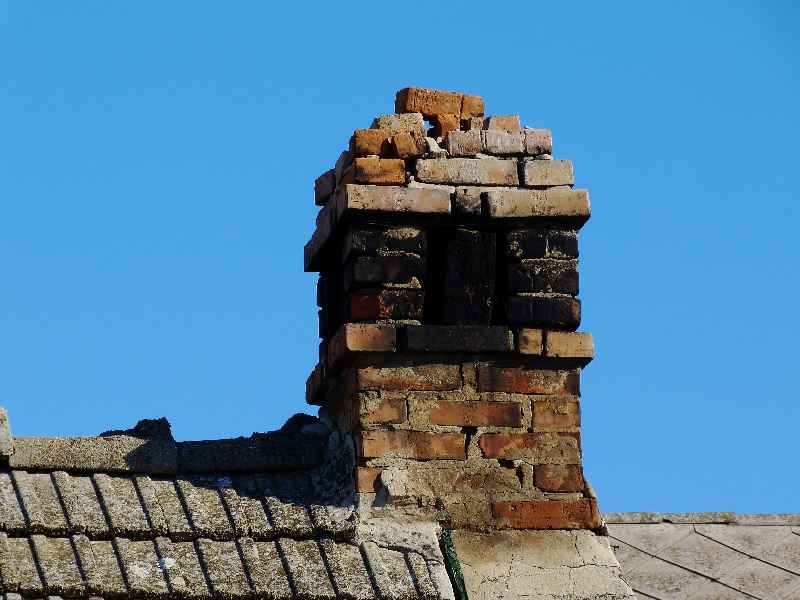
A masonry contractor usually hears about a bad chimney crown long after the damage started. The homeowner spots a water stain on the ceiling near the fireplace, or a few bricks start flaking near the top of the chimney. By then, water has often been getting in for years through cracks nobody could see from the ground.
The crown sits at the very top of the chimney and takes the worst of the rain, sun, and temperature swings. When it fails, water runs straight into the brick masonry below. Have the crown checked as soon as you see warning signs, and plan repairs before small cracks turn into a full rebuild.
Warning Signs an Aging Chimney Crown Needs a Masonry Contractor
Most crown problems start small. Hairline cracks open, water gets in, and the cracks grow each season as the material expands and shrinks. Catching them early makes a real difference in cost.
Watch for these signs from the ground, from a ladder, or inside the house:
- Cracks, chips, or crumbling on top of the chimney
- Flaking or broken bricks near the top courses
- White stains on the brick, called efflorescence, which point to water moving through the masonry
- Water stains on ceilings or walls near the chimney
- Rust on the damper or firebox parts
- Plants or moss growing on top of the chimney
Binoculars help if you can’t safely get on the roof. Don’t climb a steep or wet roof to take a look. A professional inspection is safer and gives you a clearer answer.
How a Masonry Contractor Evaluates Chimney Crown Damage
A good evaluation starts on the roof. The contractor checks how deep the cracks go, whether the crown is loose, and how it was built. Many older crowns were made with a thin layer of mortar instead of a proper concrete crown, and those fail faster.
The shape matters too. A crown should slope away from the flue and extend past the brick so water drips clear of the chimney face. Crowns built flush with the brick send water straight down the sides.
The contractor will also look at the flue liner, flashing, and top brick courses. Damage in those areas changes the repair plan. If they see signs of flue damage, they may suggest a chimney sweep inspection before masonry work begins.
When Chimney Crown Repairs Are No Longer Sufficient
Small hairline cracks can often be sealed. A masonry contractor may clean the surface and apply a crown sealant made for chimney use. That can buy several more years if the crown is otherwise solid.
Repairs stop making sense once the damage goes deeper. Wide cracks, crumbling sections, loose pieces, or a crown with no overhang usually need a rebuild. Sealing over bad material just hides the problem until it fails again.
Look at the brick below the crown too. If the top courses are cracked or loose, they may need to be rebuilt along with the crown. Fixing only the top while damaged brick sits underneath leaves the chimney open to more water.
Masonry Contractor Methods for Crown Drainage and Weather Protection
A restored crown should send water off the chimney, not into it. Most rebuilt crowns are sloped away from the flue and extend past the brick on all sides. A drip edge underneath the overhang helps water fall clear of the chimney face.
The joint between the crown and the flue liner needs room to move. Masonry and flue tile expand at different rates. Many contractors leave a small gap filled with a flexible sealant so the crown doesn’t crack as temperatures change.
Other weather protection works with the crown. A chimney cap with a screen keeps rain, leaves, and animals out of the flue. Flashing at the roofline needs to be sealed, and some owners add a breathable water repellent to the brick after repairs. Ask your contractor which steps make sense for your chimney.
Choosing the Right Time to Hire a Masonry Contractor
The best time is before the damage spreads. Call when you first see cracks, flaking brick, or water stains. Waiting through another wet season usually means more brick repair later.
Weather affects scheduling. Concrete and mortar need the right conditions to cure, so contractors often avoid freezing temperatures and heavy rain. Many homeowners schedule crown work in spring or early fall, before they start using the fireplace again.
Plan around other projects too. If you’re replacing the roof, have the crown and flashing checked first. The same goes for an outdoor fireplace chimney, which takes the same weather beating and needs the same care.
Frequently Asked Questions
Can I repair a chimney crown myself?
Small sealing jobs might seem simple, but working on a roof is risky. It’s easy to miss deeper damage or use the wrong product. A bad repair can trap water and make things worse. A masonry contractor can check the crown safely and recommend the right fix.
How long does a chimney crown last?
That depends on how it was built, the materials used, and how much weather it takes. A well-built concrete crown with an overhang lasts much longer than a thin mortar cap. Regular checks help catch problems early. Have the chimney inspected every year if you use the fireplace often.
Is a chimney cap the same as a chimney crown?
No, they do different jobs. The crown is the masonry top that covers the brick around the flue. The cap is a cover, often metal with a screen, that sits over the flue opening. Most chimneys benefit from having both in good shape.