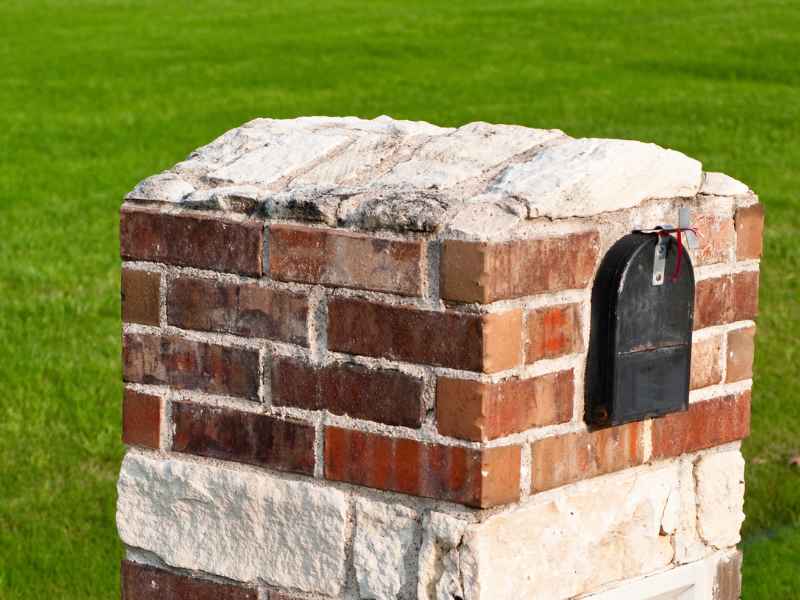
A masonry contractor can make a brick mailbox look like it belongs with the house instead of a leaning stack of bricks by the curb. Mailboxes take more abuse than almost any other masonry on a property. They sit near the road, get bumped by mowers and cars, soak up rain on every side, and still have to work for the mail carrier every day.
Most failed mailboxes come down to the same few shortcuts. A weak footing, the wrong placement, or a cap that lets water in will undo even good-looking brickwork. Plan the design, location, foundation, and weather details together before the first brick goes down.
Planning a Custom Brick Mailbox for Your Property With a Masonry Contractor
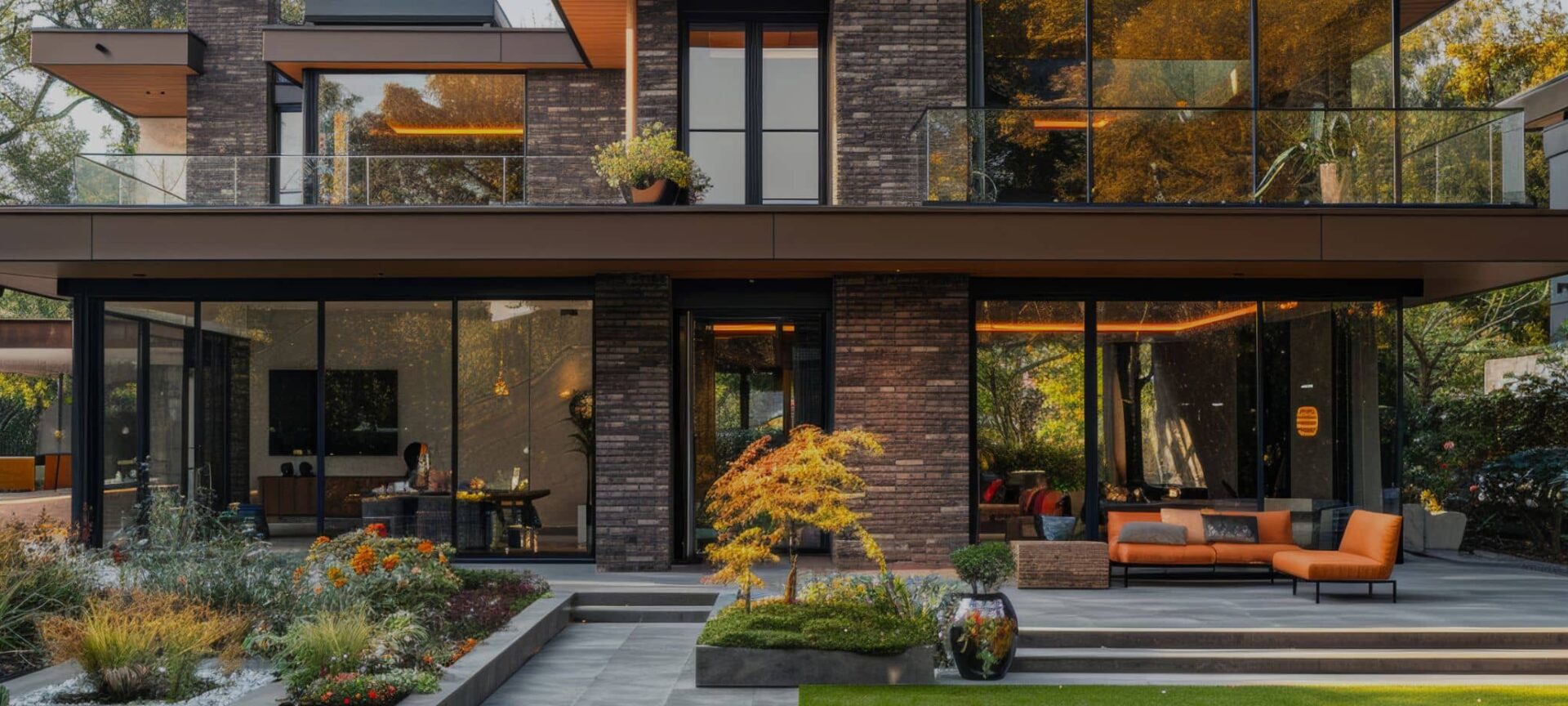
Start with how the mailbox should look next to the house. Matching the home’s brick ties the two together, while a contrasting stone base or accent can make the mailbox stand out. Bring a photo of the front of the house and any existing brick masonry so the mason can compare colors and sizes.
Features change the size and layout of the column, so settle them first. A mailbox with a newspaper slot and a planter needs a bigger footprint than a simple column. Common options include:
- A built-in newspaper slot
- A carved or cast address plaque
- A planter box on one side
- Low-voltage lighting
- A locking insert or parcel drop
- A stone cap or decorative finial
Think about how the mailbox fits with the rest of the front yard. If you have a brick driveway apron, entry columns, or a low retaining wall, the mailbox can echo those materials. A small pad of brick pavers around the base also keeps mowers and trimmers from chewing at the bottom course.
Choosing the Right Location and Meeting Mailbox Placement Requirements
Placement rules come before design ideas. USPS guidelines generally call for the bottom of a curbside mailbox or slot to sit 41 to 45 inches above the road surface, with the front of the box 6 to 8 inches back from the curb. The Postal Service also recommends checking with your local postmaster before building a custom mailbox, since route conditions can affect the details.
Road and right-of-way rules matter too. Some road authorities limit rigid structures like brick columns close to the roadway for safety reasons. HOA covenants may set size, height, or material rules as well, so read those documents before you settle on a design.
Call 811 before anyone digs. Utility lines often run along the front of a lot, right where mailboxes go. Moving the column a foot or two is much easier on paper than after a crew hits a buried line.
Preparing a Stable Foundation for Brick Mailbox Construction
A brick mailbox is heavy, and it needs a footing that can carry that weight without tipping or sinking. Most leaning mailboxes sit on too little concrete or on soil that was never compacted. The column might look fine for a year or two before it starts to drift.
A typical approach is a poured concrete footing sized larger than the column above it, often with steel reinforcement. Footing depth and size can vary with soil conditions, column height, local code, and how close the mailbox sits to the road. Your contractor should explain what they plan to pour and why.
Drainage at the base matters as much as the concrete. Water that pools around a footing softens the soil and invites settling. Grade the ground so it slopes away from the mailbox, and keep sprinkler heads from spraying straight at the base.
How a Masonry Contractor Builds and Finishes the Mailbox
Brick work starts once the footing has cured. The mason lays the first course level on the footing, then builds the column around the mailbox insert or a form that holds its spot. Each course gets checked for plumb so the finished column stands straight.
Mortar choice and joint style affect both looks and durability. A tooled joint pressed firm sheds water better than a raked or sloppy joint. Ask whether the mortar color will match your house, because a mismatch is hard to fix later.
Openings need careful framing. The mailbox insert, newspaper slot, and any light fixtures should be set level and sealed so water can’t follow them into the core. A good brick mason plans the brick cuts around those openings ahead of time instead of improvising with sliver pieces.
Stone masonry follows the same basic process with a few differences. Natural stone takes more fitting and shaping than brick. Many owners mix the two, using stone on the base and brick above it.
Protecting the Mailbox With Proper Caps and Weather-Resistant Details a Masonry Contractor Uses
The cap does more to protect the column than any other part, and a bad one ruins the whole build. Water that soaks through the top runs down inside the brick and stains, cracks, or loosens the joints. A solid cap with an overhang and a drip edge sends water off the column instead of down its face.
Caps come in cast stone, natural stone, precast concrete, and brick with a mortar crown. Each can work when it’s sized right and sloped to shed water. Ask how the cap will be bedded to the column and whether a flashing layer goes underneath.
Small details add years to the build. Weep openings near the base let trapped moisture escape, and a clear water repellent suited to brick can cut down on staining. Check the mailbox once a year for cracked joints, a loose cap, or a rusty insert, and handle repairs early before small problems spread.
Frequently Asked Questions
How tall should a brick mailbox be?
Under USPS guidelines, the mailbox opening usually needs to sit 41 to 45 inches above the road surface. The column itself can be taller to fit a cap or planter. Local rules and HOA covenants may add their own limits. Confirm the height with your postmaster or HOA before building.
Do I need permission to build a brick mailbox?
Many owners need at least an informal check. The Postal Service recommends contacting your local postmaster about custom mailboxes. Some road authorities and HOAs also have rules about masonry near the street. Check with each one before construction starts.
How long does a brick mailbox take to build?
Most of the schedule goes to the footing and its cure time. The brick work for a typical column is often a day or two of labor. Weather and extra features can stretch the timeline. Ask your contractor for a schedule that includes curing time.