Brick Hearth Designs That Blend Style and Function

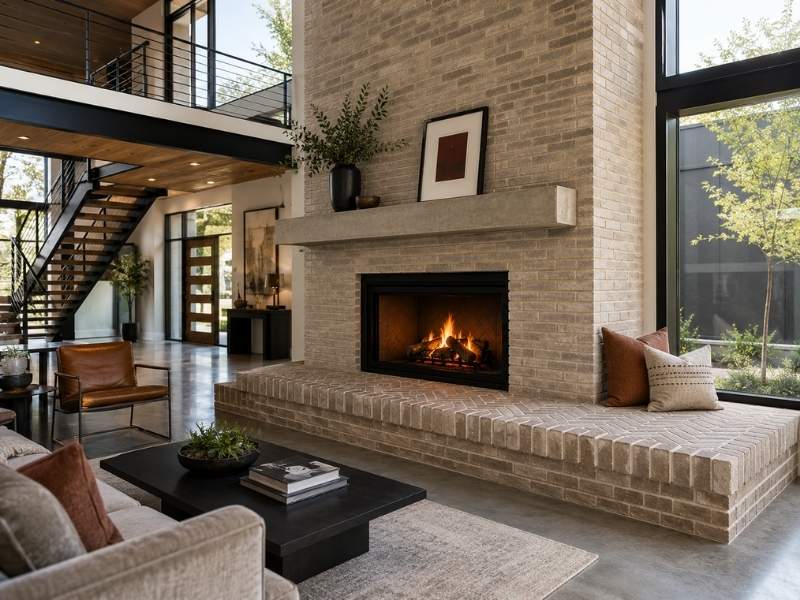
Brick hearth designs in a contemporary living room featuring a raised brick hearth, modern fireplace, and functional built-in seating.

A brick hearth does two jobs at once. It has to look good enough to anchor a room. It also has to hold up to real heat and daily use without cracking or fading. The best brick hearth designs never make you choose between the two.

A Hearth Has to Earn Its Place in the Room

A hearth sits at the center of a room, whether that room gets used every day or just on cold nights. Brick brings texture and warmth other materials can’t match. But it only works if the design fits how the space actually gets used.

A hearth that looks great in photos but scorches easily or collects soot in the wrong spots turns into a headache fast. Good brick hearth design starts with function first. The style choices get built on top of that solid base.

A well planned hearth also fits the room’s daily rhythm. Some hearths need to double as extra seating during a party. Others just need to look sharp behind a quiet fireplace on a cold night. Either way, the plan should start with how people will use the space.

Classic Brick Patterns That Never Go Out of Style

Classic brick patterns have stayed popular for a reason. Running bond, herringbone, and basket weave patterns each bring a different kind of texture to a hearth. Each one has proven itself over decades of use. These patterns mix visual interest with a surface that’s easy to clean.

A classic pattern also tends to age well. Trends in tile and stone can look dated within a decade. A well laid brick hearth with a traditional pattern still looks right years later. That staying power matters for a feature that isn’t cheap or easy to redo.

Hearths Built to Handle Real Heat and Daily Use

A hearth built for style but not for heat rarely lasts. Brick near an active fireplace has to handle real heat swings, day after day, without cracking or losing its color. That means picking the right brick type and the right mortar, not just what matches the room.

Fire-rated brick and heat-resistant mortar cost more up front. But they hold up where plain materials fail. A hearth that cracks after a few winters of use ends up costing more in repairs than picking the right materials would have cost at the start.

Daily use matters too, not just fire heat. A hearth gets walked past, leaned against, and sometimes used as extra seating. The brick and the joints between them need to handle that wear without chipping or wearing down at the edges.

Matching a New Hearth to a Home’s Existing Character

A new hearth rarely gets built on its own. It has to sit inside a home that already has its own look, whether that home is decades old or built last year. Hearth upgrades work best when they respect that existing look instead of fighting against it.

Older homes often call for a hearth that echoes the brick or stonework already in the house, like a matching color tone or a similar pattern. Newer homes have more room to try a fresh look. But even then, a hearth that feels totally cut off from the rest of the space rarely looks right.

This balance between old and new is part of what makes brick such a flexible material for a hearth. It can lean classic in an older home. It can also take on a cleaner, more modern shape in a newer build. Either way, it keeps the same tough core.

A hearth doesn’t have to match every detail of a home to feel right. It just has to speak the same visual language. A slightly warmer brick tone or a familiar pattern is often enough to tie a new hearth to a home built decades earlier.

Small Design Details That Make a Hearth Feel Custom

The details separate a good hearth from a forgettable one. A slightly raised hearth platform changes how a fireplace feels in a room. It gives the space more presence without needing a large footprint. A clean brick edge, cut and finished well, makes the whole feature look custom.

Small choices, like how the mortar joints get finished or how the brick wraps around a corner, add up fast. None of these details cost much extra on their own. But together, they turn a basic hearth into one that looks built just for the room it sits in.

Lighting plays a role too, even though it isn’t part of the brickwork itself. A small light aimed at the hearth can bring out the brick’s texture at night. It adds depth to a feature that might otherwise blend into the wall behind it.

Frequently Asked Questions

What is a brick hearth?

A brick hearth is the base and area around a fireplace, built from brick to handle heat safely while adding character to a room. It combines a fire-resistant surface with a design feature that anchors the space around it.

Can a brick hearth work with a modern fireplace?

Yes. Brick pairs well with both wood-burning and gas fireplace inserts, as long as the brick and mortar used can handle the heat output of the fireplace installed.

Do brick hearths need special maintenance?

Brick hearths need some cleaning to remove soot and ash, along with regular checks of the mortar joints for cracking. Well-built hearths with good materials usually need only light upkeep over the years.

How do I match a brick hearth to my home’s style?

Matching starts with looking at the brick tones and patterns already in the home, then picking a hearth style that either echoes those details or contrasts with them in a way that still feels planned rather than random.

Is brick hearth installation different from a regular brick wall?

Yes, in some ways. A hearth has to meet fire safety rules that a regular brick wall doesn’t, including proper clearance from anything flammable and the use of fire-rated brick and mortar near the firebox.

7 Signs Your Home May Need Professional Brick Repair

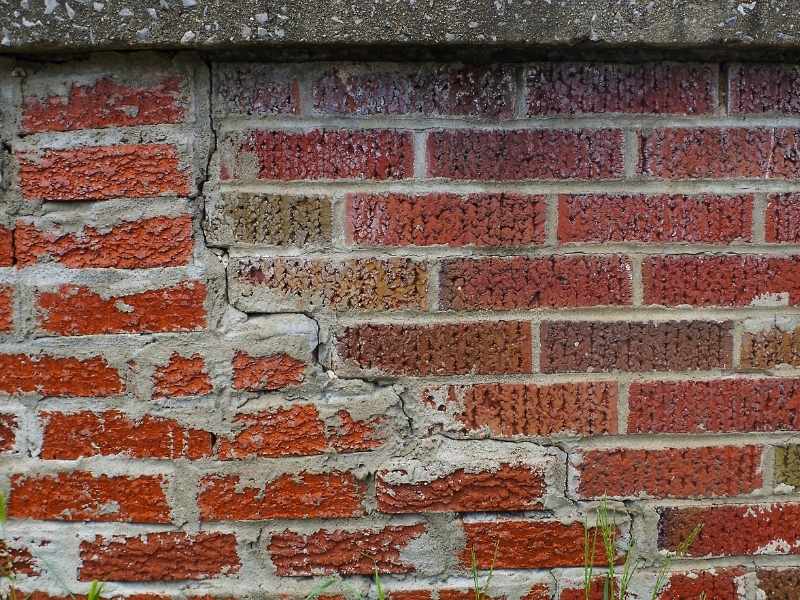
Close-up of a residential brick wall with stair-step cracks and deteriorating mortar, indicating the need for professional brick repair.

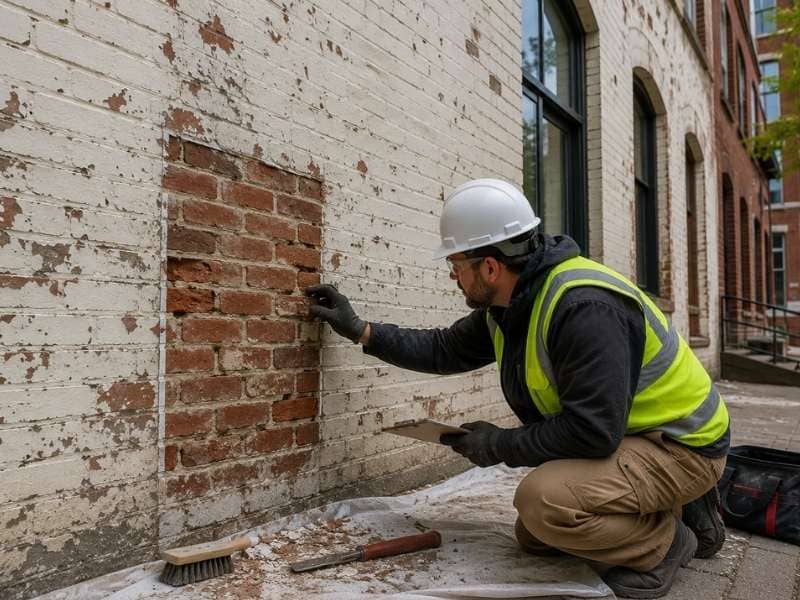
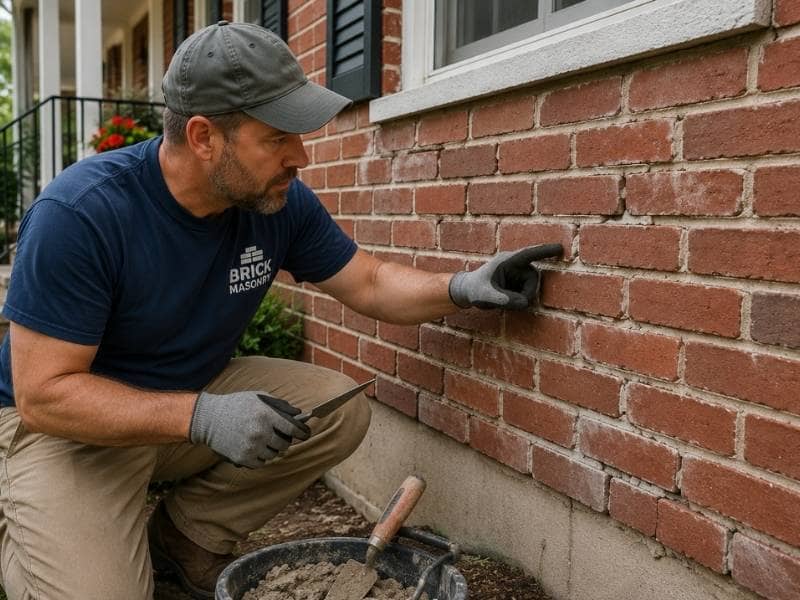
Brick is known for its strength and durability, but even well-built masonry can develop problems over time. Small cracks, damaged mortar, and moisture issues may seem minor at first, but they can lead to bigger and more costly repairs if left untreated. Knowing the warning signs can help homeowners address problems early and protect the long-term condition of their property.

Cracks Appearing in Brick Walls or Mortar Joints

Not all cracks are equal. A hairline crack in a single brick is usually cosmetic. A crack running through multiple bricks and mortar joints is a different story.

Stair-step cracks are the ones to watch. They follow the mortar joints in a diagonal line. This pattern often points to foundation movement or shifting soil. Birmingham’s clay-heavy soil moves with moisture changes. That movement puts pressure on masonry walls over time.

Horizontal cracks across a wall are even more serious. They can mean the wall is taking on lateral pressure it wasn’t designed to handle.

Any crack that’s getting wider over weeks or months needs a professional eye. Mark the ends with a pencil and check it again in 30 days. If it grows, that’s a clear sign you need brick repair before the damage spreads.

Loose, Broken, or Missing Bricks Around the Home

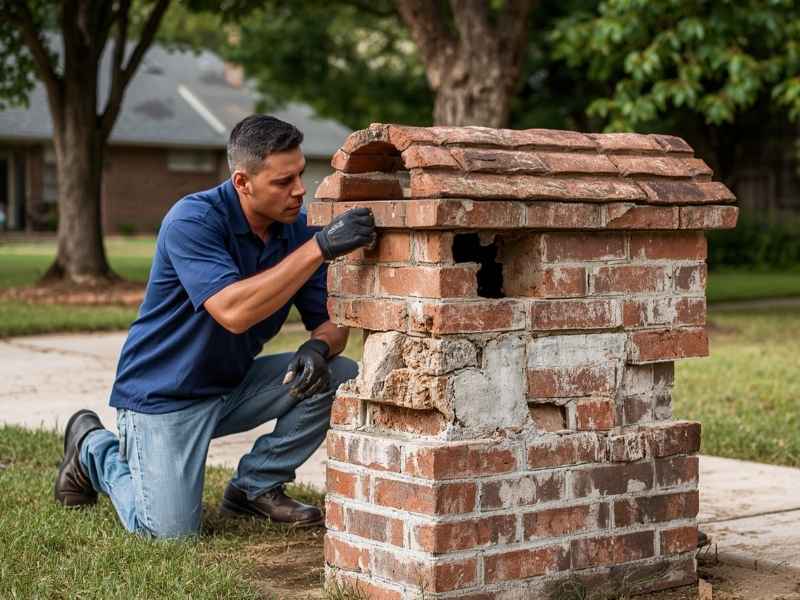
A single loose brick might seem minor. It rarely is. Once a brick shifts out of position, the bricks around it lose support. Water gets into the gap. The problem spreads fast.

Broken bricks happen for several reasons. Physical impact is one. But water damage is far more common in Alabama’s climate. Water soaks into porous brick, then expands when temperatures drop. That freeze-thaw cycle chips, splits, and cracks brick over multiple winters.

Missing bricks leave an open hole in the wall. That hole lets in water, insects, and wind. The mortar around the gap dries out and starts to fail faster too. When you spot loose or missing bricks, brick repair is the only way to stop the damage from getting worse.

Crumbling Mortar Between the Bricks

Mortar holds everything together. When it starts to crumble, the whole wall weakens.

Mortar has a lifespan. Most standard mortar lasts 25 to 30 years before it starts to break down. Older homes in Birmingham often have mortar that’s well past that point. You can spot deteriorating mortar by running your finger along a joint. If it comes away as powder or small chunks, it needs attention.

This is where tuckpointing comes in. A mason removes the damaged mortar to about three-quarters of an inch deep, then packs in fresh mortar. Done right, it restores the strength and water resistance of the wall.

Skipping this repair is a mistake. Worn mortar joints are open channels for water. Once water gets behind the brick, the cost of brick repair goes up fast.

White Stains and Moisture Problems on Brick Surfaces

White chalky stains on brick are called efflorescence. It happens when water moves through the masonry and pulls salts to the surface. On its own, efflorescence isn’t structural damage. But it’s a clear sign that water is getting into the wall.

Left alone, that moisture causes real problems. It softens the brick face, weakens mortar joints, and can lead to mold inside the wall cavity. In Birmingham’s humid summers, moisture problems get worse fast if repairs are delayed.

Dark stains or streaks below window sills and above door frames often point to flashing failures. Flashing is the metal barrier that directs water away from openings. When it fails, water runs straight into the masonry.

If you’re seeing white stains, wet spots after rain, or interior moisture near an exterior brick wall, don’t ignore it. That’s a sign brick repair and a full inspection are overdue.

Leaning Walls, Bulging Bricks, and Other Structural Warning Signs

A wall that bows outward is not a cosmetic problem. It’s a structural failure in progress.

Bulging brickwork happens when wall ties corrode or fail. Wall ties are metal connectors between the brick veneer and the structure behind it. Without them, the outer layer of brick starts to separate from the wall. It looks like a gentle curve at first. Over time, sections can collapse.

Leaning chimneys are a specific version of this. A chimney pulling away from the house has lost its footing or its mortar base. This is a safety issue, not just a repair issue.

Separated bricks at corners, sections that look uneven from the side, or doors and windows that suddenly stick are all signs the masonry is moving. Any of these call for brick repair right away. Early action keeps a repair job from turning into a full rebuild.

Frequently Asked Questions

What Are the Most Common Signs That a Home Needs Brick Repair?

The most common signs include cracks in the brick or mortar, crumbling joints, loose or missing bricks, white staining on the wall surface, and brickwork that bows or leans. Any of these mean it’s time for a professional inspection.

Can Cracked Bricks Be Repaired, or Do They Need to Be Replaced?

Small cracks can often be repaired with mortar or a flexible masonry sealant. Bricks with deeper structural cracks, missing sections, or spalling surfaces usually need to be replaced. A mason can determine the best solution based on the extent of the damage.

Why Does Mortar Between Bricks Begin to Crumble?

Age is one of the biggest factors. Standard mortar naturally wears down over time, while water infiltration and freeze-thaw cycles can accelerate deterioration. As mortar weakens, gaps form and allow more moisture to enter the wall.

How Long Does Professional Brick Repair Usually Last?

Tuckpointing and brick replacement performed by an experienced mason can last 20 to 30 years or more when quality materials and proper installation methods are used. Lifespan also depends on climate and drainage conditions around the home.

When Should You Call a Masonry Contractor for Brick Repair?

Homeowners should contact a masonry contractor when they notice widening cracks, loose bricks, deteriorating mortar, or sections of the wall that bow or lean. Addressing these issues early can help prevent more extensive and expensive repairs later.

Brick Masonry 101: Why Expansion Joints Matter

Uneven brick pavers with visible shifting and gaps showing movement caused by settling and expansion over time

Brick masonry looks solid. It feels permanent. But brick moves, and if you build a wall without giving it room to move, the wall cracks. That’s the short version. Expansion joints are the gaps that let brick grow and shrink without tearing itself apart. Skip them, and you pay for it later.

This matters for developers more than most people. You’re not fixing one house. You’re putting up dozens of units, and one bad detail repeats across every wall on the site.

What an Expansion Joint Actually Does

A brick wall is not still. It expands when it’s hot. It pulls in moisture and swells. Over years, fired clay brick keeps growing a tiny bit on its own. None of this stops.

An expansion joint is a planned gap in the brickwork. The gap gets filled with a soft material that squishes. When the brick pushes out, the joint closes a little. When the brick pulls back, the joint opens. The wall stays whole.

Think of it like the gaps in a sidewalk. Concrete moves too, so we cut lines into it. Brick needs the same mercy.

What Happens Without Them

No joint means no place for the pressure to go. So the brick finds its own way out. You get:

  • Stair-step cracks running through the mortar
  • Brick faces popping off or bowing outward
  • Cracked lintels above windows and doors
  • Mortar crumbling at the corners

These show up two to five years after the build, often. Right around the time the warranty talk gets awkward.

Heat and Humidity Make It Worse

Brick swelling depends a lot on weather. Warm, damp regions are rough on brick walls. The heat drives expansion. The moisture feeds it.

In a place with long hot summers and heavy rain, a brick wall works harder every single day. The freeze stays mild, but the wet and the heat don’t quit. So joints aren’t a nice-to-have here. They’re the thing standing between a clean wall and a callback.

If your build sites sit in that kind of climate, plan joints tighter and check them more.

Where Brick Masonry Joints Belong

You can’t just toss a few in and hope. Placement follows rules. Get these spots right:

Near Corners

Walls meeting at a corner fight each other when they move. Put a joint close to the corner, not on it. A common range is two to ten feet from the corner, depending on the wall.

Along Long Runs

A long wall builds up more force as it grows. The longer the run, the more often you need a joint. Many walls need one every 20 to 30 feet. Hot, wet sites push that number lower.

At Openings and Shape Changes

Windows, doors, and spots where the wall changes height or thickness are weak points. Stress piles up there. A joint nearby gives it an out.

Where Brick Meets Other Stuff

Brick moves one way. Concrete, steel, and wood all move their own way. Where two materials meet, they need a soft joint between them so they can move apart in peace.

The Brick Masonry Mistakes That Cost the Most

Most joint failures aren’t fancy. They’re sloppy. Watch for these:

Wrong filler. Hard mortar in an expansion joint does nothing. The gap has to stay soft. Use the right backer rod and sealant.

Joints too far apart. Saving a few joints to save a few dollars is a bad trade. The repair costs ten times more than the joint.

Painted-over joints. A joint smeared with the wrong sealant or paint can’t flex. It might as well not be there.

Bad maintenance. Sealant dries out and shrinks over the years. Somebody has to check it and redo it. Plan for that.

Why Developers Should Care Early

Here’s the money part. A skipped or botched joint is cheap to prevent and brutal to fix.

Adding a joint during the build costs a small amount per linear foot. Cutting one into a finished wall later means tearing into brick, matching old material, and dealing with an unhappy owner. The cost gap is huge.

Spread that across a whole project and the math gets loud. One repeated detail flaw can eat a real chunk of your budget in repair calls.

So bake it into the plans. Have your experienced masons mark joint locations before the first brick goes up. Inspect the sealant work, not just the brick face. A wall that looks great on closing day can still fail if the joints behind the pretty face were rushed.

A Quick Checklist Before You Build

  • Confirm joint spacing on the drawings, not just on site
  • Match spacing to your local heat and moisture, tighter where it’s hot and wet
  • Specify the right soft filler, not hard mortar
  • Add a maintenance note to the owner’s handover
  • Inspect joints during the build, not after complaints roll in

The Takeaway

Brick moves. Joints give it room. That’s the whole idea, and it protects your timeline, your budget, and your name on the project. The cheapest fix is the one you draw on the plans before anyone lifts a trowel.

Frequently Asked Questions

How often do brick expansion joints need replacing? 

The brick stays. The soft sealant inside the joint does not. Most sealant needs a check every few years and full replacement somewhere around 10 to 20 years, sooner in hot, wet weather.

Can I add expansion joints to an existing brick wall? 

Yes, but it costs more. A mason cuts a clean vertical line into the brick and fills it with backer rod and sealant. It works, though it’s far cheaper to plan joints from the start.

What’s the difference between an expansion joint and a control joint? 

An expansion joint handles brick growing and pushing out. A control joint handles materials like concrete block shrinking and pulling in. Brick veneer uses expansion joints. Don’t mix them up.

Are expansion joints required by code? 

Most building codes and brick standards call for movement joints in brick walls. Your local inspector will look for them. Skipping them can fail an inspection and void some warranties.

Will an expansion joint look ugly on my wall? 

No, if it’s done right. Joints can be tucked near corners and lined up with windows so they blend in. A good mason places them where the eye doesn’t catch them.

Welcome to Birmingham Brick & Stone

Birmingham Brick & Stone specializes in stone masonry and brick masonry construction. Our expertise in masonry covers brickwork, block work, stonework, and all sorts of related products and applications. We serve the City of Birmingham and surrounding Central Alabama communities.

Call us at (205) 707-9779 to discuss your project.

What is Masonry Work?

Seamless Masonry Stone WallsMasonry is building structures from individual units, which are often laid in and bound together by mortar. Common materials of masonry construction are brick, natural stone (such as marble, granite, travertine, and limestone,) cast stone, concrete block, stucco, tile, and glass block. Masonry is a highly durable form of construction.

The strength and durability of masonry are affected by the materials used, the quality of the mortar, the workmanship, and the pattern in which they are assembled. A person who constructs masonry is called a mason, a brick mason, stone mason, or bricklayer.

Applications of Masonry

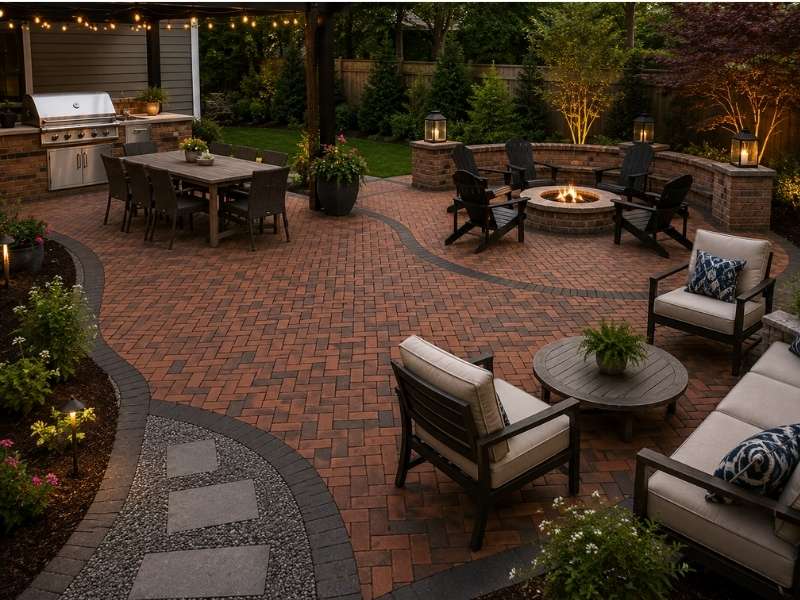
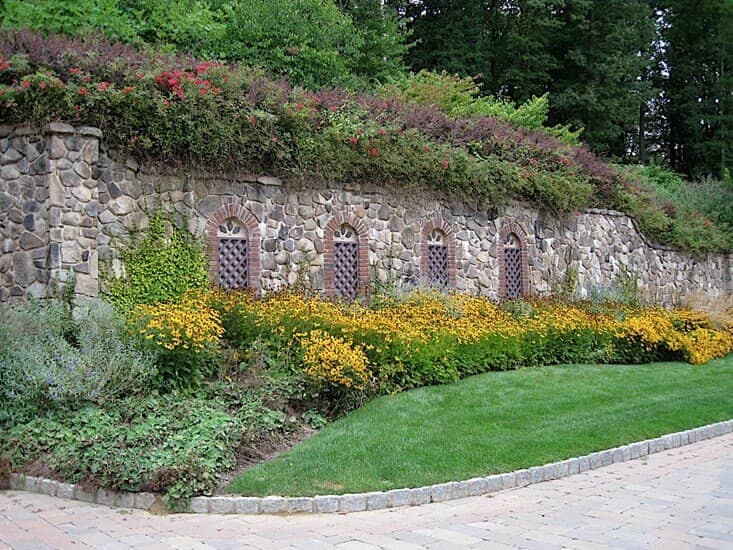
brick stone wall landscapingMasonry is commonly used for walls and buildings, either inside or outside. Brick and concrete block are the most common types of masonry in use and may be either weight-bearing or a veneer.  Stone, both natural and man-made, is being used more and more for decorative features inside, outside and in backyards. Patios, outdoor kitchens, outdoor fireplaces, fire pits, decorative walls, decking, retaining walls, landscaping or hardscaping, and lots of other amenity applications are common place now. Natural stone masonry can provide very aesthetically pleasing projects.

Advantages of Brick or Stone in Building

  • Bricks and stone masonry increases the thermal mass of a building
  • Brick and stone masonry is non-combustible and provides fire protection
  • Brick and stone masonry walls are more resistant to projectiles, such as debris from hurricanes or tornadoes.
  • Brick and stone masonry weathers well and needs much less maintenance over time than other natural materials.
  • No painting is necessary for brick or stone. Color and finish selections are almost endless.
  • Brick and stone masonry typically lasts longer than wood products
  • Brick and stone masonry has higher compressive strength compared to wood and other natural products.
  • Brick and blockwork walls provide excellent sound insulation.
  • Stone does not warp, swell, bend, splinter, or dent.
  • Brick and stone are versatile in their aesthetic appeal and can work well with other construction materials.
  • Use of brick and stone signals a strong sense of permanence and longevity.

Call Birmingham Brick & Stone at (205) 707-9779 for a free quote on your brick or stone masonry project. Or, fill out the contact form to the right.