How to Choose the Best Stone Patio Material for Your Home

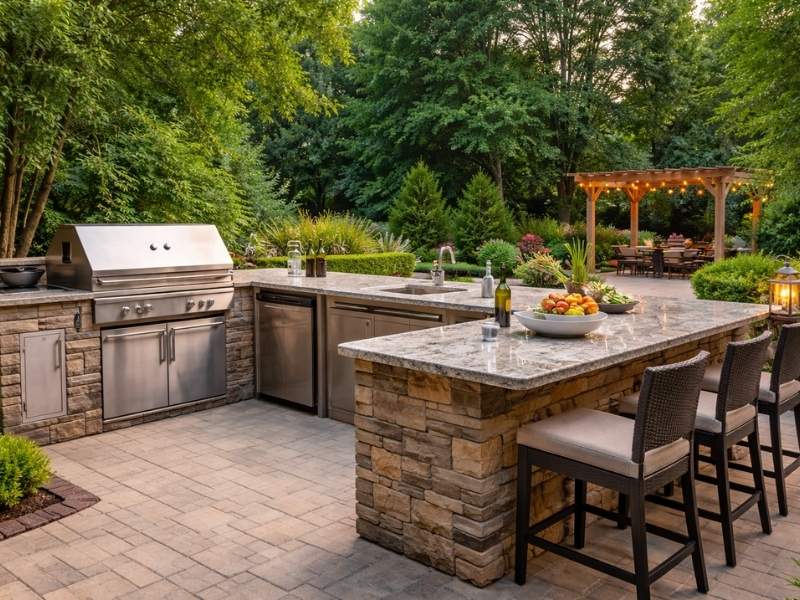
Natural stone patio with an outdoor kitchen, bar seating, and landscaped backyard designed for residential outdoor living.

A stone patio can add beauty, function, and value to your outdoor space. With several materials available, choosing the right one depends on factors such as durability, appearance, maintenance, and cost. Understanding your options can help you select a stone patio material that fits your home and lifestyle.

Understanding the Most Popular Stone Patio Materials

There are five stone types you’ll see most often. Here’s what each one looks like and where it works best.

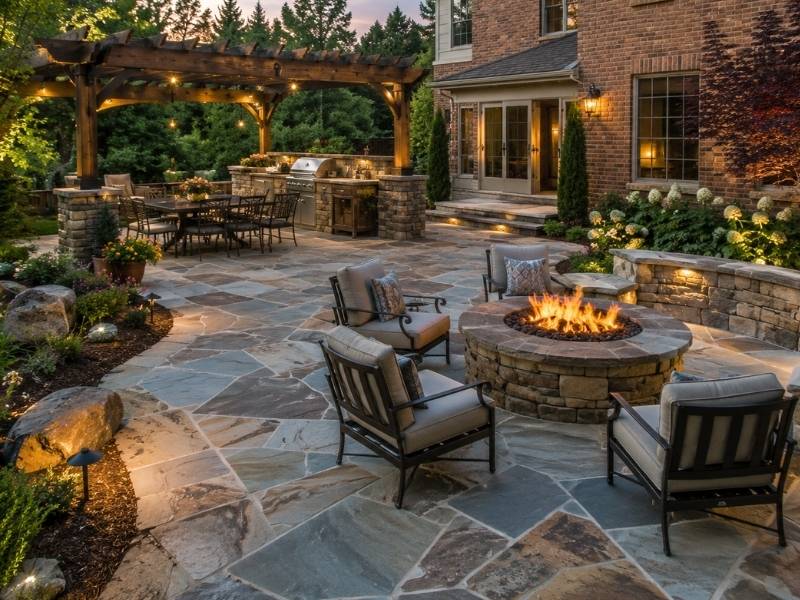
Flagstone is cut from sandstone, limestone, or slate. The pieces come in irregular shapes. It gives a natural, relaxed look. It’s a popular choice for walkways and casual backyard patios.

Bluestone is a dense, blue-gray stone. It has a clean, consistent color. You can get it with a rough texture or a smooth cut finish. It works well in both casual and formal outdoor spaces.

Limestone is light in color. Most pieces are cream or tan. It pairs well with brick homes, which are common across Birmingham. It absorbs less heat than darker stones, so it stays cooler underfoot.

Slate has a dark, layered look. It does well in shaded areas. Too much direct sun over the years can cause it to flake apart.

Travertine is smooth and elegant. It’s often used around pools and covered patios. It stays cooler than most stones even in full sun.

Each stone feels different underfoot. Each one has different care needs and costs. Knowing the basics before you shop saves time and money.

Comparing Durability and Weather Resistance

Birmingham summers are hot and humid. Winters bring cold snaps and occasional ice. Your stone has to hold up through both.

Here’s how each option performs in this climate.

Flagstone is strong under foot traffic. But some types are porous. Water gets in. When it freezes, the surface can crack. Sealing helps. It adds to your yearly upkeep though.

Bluestone is one of the better options for Birmingham. It’s dense. It resists moisture well. It handles freeze-thaw cycles without cracking. It holds up under heavy use year after year.

Limestone is softer than bluestone. It wears down faster in busy areas. Humidity and acid rain can slowly etch the surface. It still works well in shaded or low-traffic spots.

Slate struggles when temperatures swing between hot and cold. In full sun, it can split along its natural layers over time. It’s better suited for covered patios here.

Travertine is porous. Without sealing, moisture gets in. That leads to staining and cracking. With proper sealing, it holds up well in Alabama’s summers.

For most open patios in Birmingham, bluestone and sealed flagstone are the safest bets.

Matching Stone Colors and Styles to Your Home

Stone color shapes the whole look of your yard. A mismatch stands out right away.

Many homes in Birmingham have red brick exteriors. Lighter stones like limestone and travertine go well with brick. They add warmth without clashing. Bluestone also works against brick if you want a modern look.

Darker homes pair well with slate or dark flagstone. These stones add contrast without competing.

Finishing also matters. A smooth (honed) finish looks formal. A rough or tumbled finish looks casual. Think about the rest of your yard. If it’s relaxed and informal, rough-cut flagstone fits. If you have a pool or a neat garden, a smooth cut stone looks better.

Shape plays a role too. Irregular flagstone has a loose, natural feel. Square-cut bluestone or travertine tiles look more structured and clean.

One tip: grab a sample before you order. Look at it outside next to your home. Colors look different under natural light than they do in a showroom.

What Factors Affect the Cost of a Stone Patio Material?

Several things affect what you’ll pay for a stone patio.

Stone type is the biggest factor. Travertine and natural bluestone cost more than basic flagstone. There are manufactured versions of most stones. They cost less but don’t always last as long.

Local availability makes a difference. Stone shipped from far away costs more. Some limestone and flagstone options come from quarries closer to Alabama. That can lower the material cost.

Thickness affects price and strength. Thin slabs cost less but crack more easily. For a busy patio, thicker stone is worth the extra cost.

Installation complexity affects labor costs. Irregular flagstone takes more time to fit than uniform tile. Curved edges or multi-level designs add to the labor bill.

Maintenance is a cost people often forget. Porous stones need sealing every one to two years. That adds up over time. Dense stones like bluestone need far less upkeep.

A low upfront price doesn’t always mean a low total cost. A stone that needs frequent repairs can end up costing more in the long run.

Questions to Ask Before Choosing a Stone Patio Material

These questions help narrow down your best option.

How will you use the patio? Heavy foot traffic needs a harder stone. A quiet garden seating area can work with softer options.

How much sun does the area get? Full Alabama sun gets very hot. Light-colored stones like travertine and limestone stay cooler underfoot. Dark slate gets uncomfortably hot.

Do you need a slip-resistant surface? Smooth finishes look great but get slippery when wet. If kids or older adults will use the space, choose a textured or rough surface.

How does the area drain? Poor drainage causes water to pool. That speeds up damage on porous stones. Make sure your mason grades the patio to drain properly.

How much maintenance will you actually do? Be honest. If you won’t reseal every year, don’t pick a stone that needs it. Bluestone is a solid low-maintenance choice.

How long do you want it to last? A properly installed natural stone patio can last 25 to 50 years. Manufactured stone products don’t always last as long outdoors.

Ask your mason these questions before you commit. A good contractor will match the material to your lifestyle, not just to what looks nice in a photo.

Frequently Asked Questions

What Is the Best Type of Stone for a Patio?

Bluestone and flagstone are strong choices for Birmingham. They handle heat, humidity, and cold well. The best pick depends on your design goals, budget, and maintenance preference.

Which Stone Patio Material Is the Most Durable?

Bluestone is one of the most durable options. It’s dense, resists moisture, and holds up under heavy use. Granite is harder but costs more and is less common for home patio projects.

Do Natural Stone Patios Require a Lot of Maintenance?

It depends on the stone. Bluestone needs very little care. Porous stones like travertine need sealing every one to two years to prevent staining and water damage.

What Factors Affect the Cost of a Stone Patio?

Stone type, thickness, local availability, installation complexity, and long-term maintenance all affect cost. A cheaper stone with high upkeep can end up costing more over time.

How Long Does a Natural Stone Patio Typically Last?

A well-installed natural stone patio can last 25 to 50 years or more. Lifespan depends on the stone type, installation quality, and ongoing maintenance.

Brick Pavers vs. Stone Pavers: Which Is Right for Your Patio?

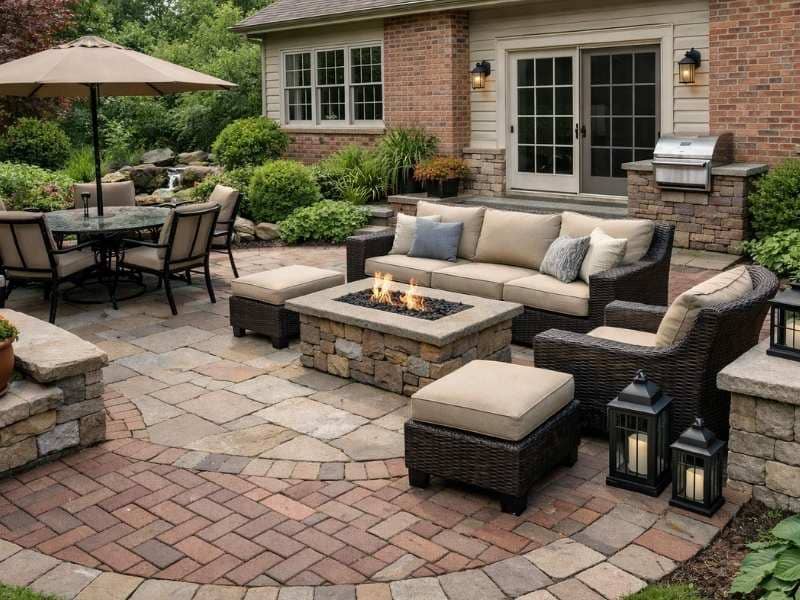
Brick pavers vs stone pavers featured in a backyard patio with a fire pit and outdoor seating area

Planning a new patio is a big decision. There are a lot of materials to choose from, and it can be hard to know where to start. Brick pavers and stone pavers are two of the most popular options for homeowners, and both are great choices. The right one for you depends on your budget, where you live, and the look you want. 

What Is the Difference Between Brick Pavers and Stone Pavers?

Brick pavers are made from fired clay. They are cut into the same size and shape, so they fit together neatly and evenly. Stone pavers are cut from natural rock, such as granite, limestone, flagstone, or travertine. Since they come from the earth, no two pieces look exactly the same.

Both are strong and hold up well outdoors. The main difference is how they look, what they cost, and how much work they need to stay in good shape over the years.

Brick Pavers: What Homeowners Need to Know

Brick pavers are a popular mid-priced option that gives any patio a warm, classic look.

Appearance and Style

Brick pavers come in earthy shades of red and brown. They look great with traditional, colonial, and craftsman-style homes. Because all the pieces are the same size, they can be laid in neat patterns like herringbone, basketweave, or running bond.

Over time, brick pavers develop a natural faded look that many homeowners actually like. It gives the patio a lived-in, charming feel.

Durability and Lifespan

Brick pavers are baked at very high heat during manufacturing. This makes them hard, dense, and resistant to cracking. A well-built brick paver patio can last 25 to 50 years. If one paver cracks or shifts, you can lift it out and replace just that piece without touching the rest of the patio. This makes repairs simple and affordable.

Cost of Brick Pavers

Brick pavers cost between $8 and $20 per square foot, including installation. The price depends on where you live, the pattern you choose, and the size of the project. Brick pavers cost more than basic concrete, but less than most natural stone options.

Maintenance

Brick pavers need to be sealed every three to five years. Sealing protects them from water and stains. This is especially important in places with cold winters. When water soaks into unsealed pavers and then freezes, it can cause cracks. Weeds or moss may grow in the gaps over time, but they are easy to remove with regular cleaning or a special type of sand called polymeric sand.

Stone Pavers: What Homeowners Need to Know

Stone pavers cost more than brick, but they offer a high-end, natural look that is hard to match.

Appearance and Style

The biggest advantage of stone pavers is that every piece looks different. Each one has its own color, texture, and pattern. This gives a stone patio a unique, natural look that no two homes will share exactly.

Popular types of stone pavers include:

  • Flagstone for a relaxed, rustic feel
  • Granite for a clean, modern look
  • Travertine for a warm, Mediterranean style
  • Limestone for a soft, neutral tone that works with almost any home

If you want a patio that looks like a natural part of your yard, stone pavers are the way to go.

Durability and Lifespan

Natural stone is one of the toughest materials you can use outdoors. Most stone pavers last well beyond 50 years when they are installed correctly. Hard stones like granite can handle almost any weather. Softer stones like limestone need a little more care in wet or freezing climates, but they still hold up well with the right maintenance.

Cost of Stone Pavers

Stone pavers cost between $15 and $50 per square foot installed. Flagstone and limestone are on the lower end. Granite and imported travertine can cost more. Stone costs more than brick for two reasons. First, natural stone is a premium material. Second, it takes more skill and time to install because the pieces are heavier and less uniform.

Maintenance

Like brick, stone pavers need to be sealed every three to five years. Hard stones like granite need less attention. Softer stones like travertine do better with more frequent sealing, especially in rainy areas. Light-colored stone can stain, so it helps to clean up spills quickly.

Brick Pavers vs. Stone Pavers: Side-by-Side Comparison

FeatureBrick PaversStone Pavers
MaterialFired clayNatural stone (granite, limestone, flagstone, travertine)
Installed Cost$8 to $20 per sq. ft.$15 to $50 per sq. ft.
AppearanceUniform, classic, warm tonesNatural variation, high-end look
Lifespan25 to 50 years50+ years
Sealing FrequencyEvery 3 to 5 yearsEvery 3 to 5 years
Best ClimateMost climates with proper sealingBest in mild to moderate climates
DIY-FriendlyModerateDifficult due to weight and irregular shapes
Best ForTraditional homes, mid-range budgetsPremium patios, natural look

Which Paver Works Better in Different Climates?

Your local climate matters more than most people think when picking a paver material.

In places with cold winters, both brick and stone pavers need to be sealed on a regular schedule. Unsealed brick can soak up water, which then freezes and causes cracks. Dense stones like granite absorb very little water, so they tend to hold up better in freezing temperatures.

In hot and dry climates, both options work well. Light-colored stone pavers like limestone and travertine stay cooler underfoot in the sun than darker brick. This can make a real difference on a hot summer day.

In humid or rainy areas, moss and mildew can grow in the joints of either material when they are in the shade. Regular cleaning and polymeric sand in the joints will help keep this under control.

Do Pavers Add Value to Your Home?

Yes. A patio is one of the best home improvement projects you can invest in. According to the National Association of Realtors, a new patio earns a satisfaction score of 9.7 out of 10. That is one of the highest ratings for any home project. Homeowners can also expect to get back 50 to 75 percent of what they spent when they sell their home.

The NAR also found that outdoor improvements like patios and walkways rank in the top four projects that home buyers find most appealing. Whether you go with brick or stone, a well-built patio tells buyers that the home has been cared for.

How to Choose the Right Paver for Your Patio

Here is a simple way to decide:

  • Choose brick pavers if you want a classic look at a fair price, your home has a traditional style, and you prefer a simpler installation process.
  • Choose stone pavers if you want a natural, premium look, you have more room in your budget, and you want a surface that can last for generations.
  • Think about your weather. If you live somewhere with harsh winters, talk to your mason about which stone holds up best in freezing temperatures.
  • Look at the bigger picture. Your patio should match the rest of your home and yard. Think about how it will look next to your home’s exterior, your landscaping, and any other masonry features like a retaining wall, an outdoor fireplace, or a masonry mailbox.

If you are still not sure, a professional mason can help. They can look at your yard, your soil, and your drainage and tell you which material will work best for your specific situation.

Adding an Indoor Fireplace to Your Home: What You Need to Know First

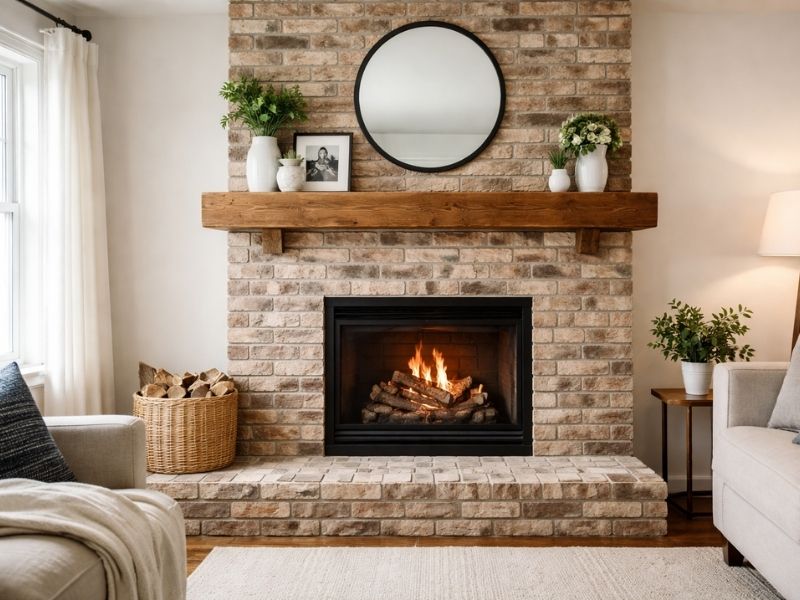
Indoor brick fireplace with a wood mantel and hearth showing a finished residential fireplace installation in a living room

A fireplace looks great on a floor plan. It also adds real value to a home when it’s done right. But a lot of homeowners and developers skip the planning stage and end up with a fireplace that’s expensive to fix, fails inspection or just doesn’t work the way they expected. This article covers what you need to think through before anyone picks up a trowel.

The Types of Indoor Fireplaces Worth Knowing

Not every fireplace works the same way, and the type you choose affects the build cost, the materials and the maintenance schedule.

Wood-Burning Fireplaces

This is the traditional option. A firebox sits inside a masonry surround, and a chimney carries smoke out of the house. It needs a proper foundation because the masonry is heavy. It also needs a lined flue, a damper and clearances from combustible materials on every side.

Wood-burning fireplaces produce real heat and real ambiance. They also produce creosote, which builds up in the flue and has to be cleaned out regularly. Skip that maintenance and you’re looking at a chimney fire.

Gas Fireplaces

Gas fireplaces use a sealed combustion system or a direct vent that runs through an exterior wall. They’re easier to install in existing homes because they don’t always need a full masonry chimney. They light with a switch and produce consistent heat without ash or smoke.

The tradeoff is that gas fireplaces need a gas line run to the location, which adds cost if one isn’t nearby. They also need annual servicing to check the burner, the ignition and the venting.

Electric Fireplaces

Electric fireplaces are the simplest to install. No venting, no gas line, no masonry. They plug in or wire directly into the home’s electrical panel. The flame is simulated, so they work as a visual feature more than a heat source.

For a developer adding a fireplace to a spec home on a budget, electricity is worth considering. For a buyer who actually wants to use the fireplace on cold nights, it falls short.

What the Build Actually Involves

The Firebox and Surround

The firebox is where the fire lives. For wood-burning and gas fireplaces, the firebox is lined with refractory materials that handle high heat without cracking. The surround is the decorative frame around the opening. It can be stone, brick, tile or a prefabricated unit.

Stone and brick surrounds cost more and take longer to build. They also last longer and tend to hold their value better at resale. A prefabricated metal surround is faster and cheaper, but it reads as cheaper too.

The Chimney and Flue

A wood-burning fireplace needs a chimney with a properly sized flue. The flue size depends on the firebox opening. Get it wrong and the fireplace smokes back into the room instead of drawing up and out.

Chimneys need a cap on top to keep rain and animals out. They need flashing where they meet the roof to keep water out of the house. Both details get skipped more often than they should.

Clearances and Hearth Requirements

Building codes are specific about how much space has to sit between a fireplace and any combustible material. Mantels, wood framing and flooring all have minimum clearance requirements. The hearth extension in front of the firebox has to meet a minimum size too, and it has to be made of non-combustible material.

These aren’t suggestions. A fireplace that fails inspection because of clearance issues means tearing out finished work and starting over.

Costs Developers Should Plan For

Rough ranges give a starting point, but local labor rates and material choices move the number a lot.

  • A basic prefabricated wood-burning fireplace with a metal chimney runs lower than a full masonry build.
  • A custom masonry fireplace with a stone surround and full brick chimney is one of the more expensive single features you can add to a home.
  • Gas fireplace inserts with direct vent systems sit in the middle of that range, and the gas line run adds cost depending on distance.
  • Electric fireplaces are the cheapest to install but add the least value.

Plan for permit fees on top of material and labor. Most jurisdictions require a permit for fireplace installation, and inspections happen at multiple stages of the build.

Common Mistakes That Cost Money

Wrong mortar for the firebox is one of the most repeated errors on fireplace builds. Standard mortar breaks down under heat. The firebox needs refractory mortar rated for high temperatures. Using the wrong mix leads to cracked joints within a season or two.

Undersizing the flue causes smoke problems from day one. A flue that’s too small for the firebox won’t draw properly. Size it correctly from the start.

A fireplace without a working damper loses heat through the chimney every time it’s not in use. A top-mounted damper is a simple fix that saves on heating bills over time.

Newer, tightly sealed homes don’t have enough air infiltration to feed a wood-burning fireplace. Without a dedicated outside air supply, the fireplace pulls heated air from the house and creates negative pressure. The fix is simple to add during construction and expensive to retrofit later.

Pre-Build Checklist

  • Confirm foundation requirements for masonry builds
  • Check local code for clearance and hearth size requirements
  • Size the flue to match the firebox opening
  • Plan the gas line route before framing closes up
  • Include outside air supply in tight construction
  • Budget for permit fees and inspections

Frequently Asked Questions

Does adding a fireplace increase home value? 

A wood-burning or gas fireplace typically adds value, particularly in climates with cold winters. Real estate surveys consistently show buyers will pay more for a home with a fireplace. Electric fireplaces add less value since buyers know they’re primarily decorative.

How long does it take to install an indoor fireplace? 

A prefabricated gas or electric unit can go in within a few days once the rough-in work is done. A custom masonry fireplace with a full brick chimney takes longer, often several weeks depending on the size of the build and how quickly inspections get scheduled.

Can a fireplace be added to an existing home? 

Yes, but it costs more than building one in from the start. Running a gas line or cutting a chase for a chimney through a finished home adds labor and disruption. Gas inserts with direct vent systems are the most practical retrofit option for most existing homes.

What maintenance does an indoor fireplace need? 

Wood-burning fireplaces need annual chimney cleaning and inspection to clear creosote buildup. Gas fireplaces need a yearly check of the burner and venting system. Electric fireplaces need very little beyond keeping the unit clean. All types benefit from checking the surround and hearth for cracks each season.

What permits are needed for a fireplace installation? 

Most jurisdictions require a building permit for any new fireplace installation. Some also require a separate mechanical permit if gas work is involved. Check with your local building department before starting. Skipping permits creates problems at resale when the work shows up as unpermitted during a home inspection.

What Is Stone Masonry? A Simple Guide for Homeowners

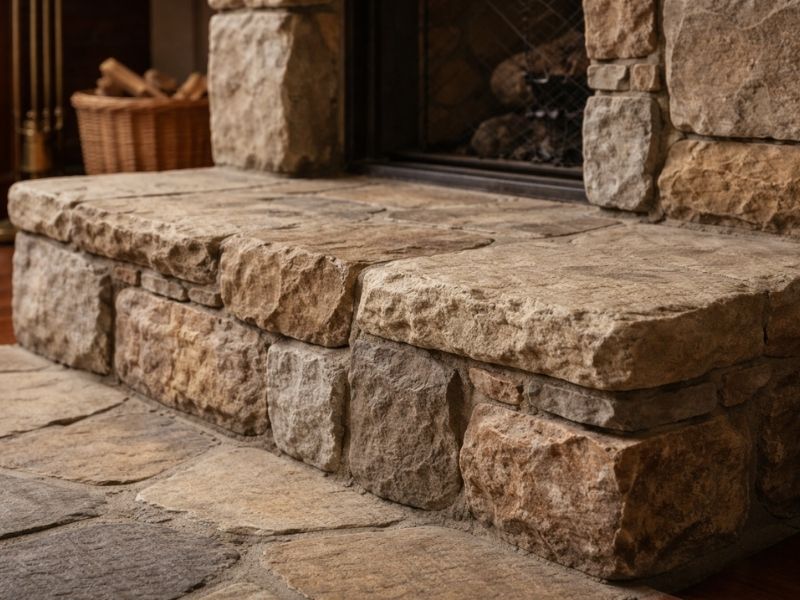
Natural stone masonry fireplace with stacked stone construction and detailed stonework used in residential interior design

Stone masonry is one of the oldest building methods around. It’s also one of the most misunderstood. Most homeowners know stone looks great, but have no idea what goes into building it or what to watch for when something goes wrong. This guide covers the basics so you’re not walking into a project blind. 

What Stone Masonry Actually Means

Stone masonry is the process of placing and securing natural or manufactured stone to build walls, steps, foundations and other structures. The stones are held together with mortar or, in some older methods, dry-stacked without any mortar at all.

Two broad categories cover most of what you’ll see.

Rubble Masonry

Rubble masonry uses rough, uncut stones. They’re laid with mortar and fitted together without much shaping. It looks rugged and natural. Older garden walls and field fences often use this method. It’s lower cost but less precise.

Ashlar Masonry

Ashlar masonry uses stones that are cut and dressed to uniform sizes. The joints are tight and clean. It looks sharp and is more common in formal construction, feature walls and high-end residential builds. It takes more time and skill to do right.

Knowing which type you’re looking at helps when you need repairs. Matching rubble is different from matching ashlar, and the wrong mason for the job shows fast.

The Materials Involved

Not all stone performs the same way outdoors or in wet conditions.

Common Stone Types

  • Granite is dense and very hard. It handles weather well and resists staining. Good for high-traffic areas and exterior walls.
  • Limestone is softer and easier to cut. It looks great but absorbs more water than granite. Needs sealing in wet climates.
  • Sandstone is porous. It’s attractive but needs careful maintenance. Prone to spalling in freeze-thaw conditions.
  • Slate splits into flat layers naturally. Common for flooring, cladding and roofing. Durable when installed correctly.
  • Fieldstone is whatever stone is pulled from local land. It varies a lot in hardness and durability depending on where it comes from.

Picking the wrong stone for the climate or the application is a mistake that shows up years later. A mason who knows local conditions is worth asking before you commit to a material.

How Stone Masonry Gets Built

The process depends on the type of structure, but the core steps follow a similar path.

A solid footing goes in first. Stone is heavy, much heavier than brick, so the base has to carry the load without settling. Then the mason lays the first course, fitting stones together so weight distributes evenly. Each course above that overlaps the joints below, just like brick, so the wall ties itself together as it rises.

Mortar fills the gaps and locks everything in place. For dry-stack work, the fit of each stone does that job instead. Dry-stack walls take longer to build well because every stone has to sit right without any help from mortar.

Coping stones go on top of freestanding walls to shed water. Without them, water sits on the top course, works into the joints and causes damage over time.

Problems to Watch for in Stone Masonry

Stone feels indestructible. It’s not.

Failing Mortar Joints

Mortar between stones breaks down over time. Crumbling joints, gaps or soft spots let water in. Left alone, water freezes in winter, expands and pushes the stones apart. Repointing the joints early is a small job. Waiting turns it into a big one.

Efflorescence

White mineral deposits on the stone face mean water is moving through the wall. The stone itself may be fine, but the moisture source needs finding and fixing. Wiping off the white streaks without fixing the water problem means they’ll be back.

Spalling and Surface Damage

Porous stones like sandstone and limestone can spall when water gets in and freezes. The face chips or flakes off. Once it’s gone, it’s gone. Matching replacement stones is harder than most people expect, especially on older builds.

Settlement Cracks

A crack running through multiple stones and joints usually means the footing has shifted. Small cracks from normal settling aren’t always serious. A crack that’s growing or widening is. Get a mason to look at it before it gets worse.

Maintaining Stone Masonry Without Overdoing It

Stone needs less maintenance than most materials, but it does need some.

Check mortar joints every few years. Soft or crumbling spots need repointing before water gets a foothold. Keep soil and plant growth away from the base of stone walls. Roots work into joints over time and slowly pull them apart.

Seal porous stones in wet climates. Limestone and sandstone benefit from a breathable sealer that keeps water out but lets the stone dry from the inside. Avoid film-forming sealers that trap moisture behind them.

Don’t pressure wash stone masonry. High pressure strips mortar from joints and can pit softer stones. A low-pressure rinse and a stiff brush handle most cleaning jobs without causing damage.

Quick Maintenance Checklist

  • Inspect mortar joints every two to three years
  • Repoint any soft or crumbling spots before winter
  • Keep mulch and soil away from the base of stone walls
  • Seal porous stone every three to five years
  • Avoid pressure washing

Frequently Asked Questions

How long does stone masonry last? 

Stone itself can last centuries. The mortar joints are the weak point and typically need attention every 25 to 50 years depending on weather exposure and the original mortar mix used. Dry-stack walls last as long as the stones hold their position, which with a good base can be a very long time.

Is stone masonry more expensive than brick? 

Yes, usually. Stone costs more as a material and takes longer to lay because each piece is irregular. Ashlar masonry with cut stone is the most expensive. Rubble masonry with local fieldstone can be more affordable, but labor still runs higher than brick in most cases.

Can stone masonry be repaired without replacing the whole wall? 

Most of the time, yes. Failed mortar gets repointed. Damaged stones get replaced individually if a match can be found. Full wall replacement is rare and usually only happens after serious structural failure or years of ignored water damage.

What’s the best stone for an exterior wall in a wet climate? 

Granite is the strongest choice for wet conditions. It’s dense, absorbs very little water and holds up in freeze-thaw cycles. Limestone and sandstone can work but need sealing and more regular maintenance in high-moisture areas.

Do I need a permit for stone masonry work? 

It depends on the scope. Repointing and minor repairs usually don’t need a permit. New walls, structural work or anything attached to the home typically does. Check with your local building department before starting any significant project.